Swarajyam Hospital | Super Multispeciality Hospital

What Is Urology?
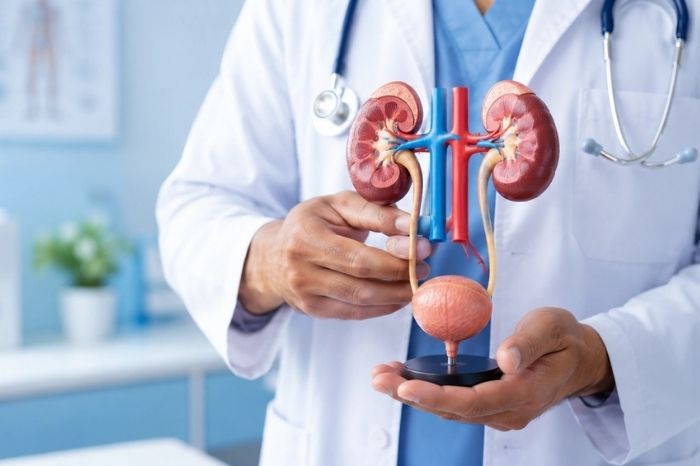
Types of Urological Conditions
Urological conditions can affect the kidneys, ureters, bladder, urethra and male reproductive organs. Common conditions include:
Kidney Stones: Hard mineral deposits that form in the kidneys and may cause severe pain.
Urinary Tract Infections (UTIs): Infections that can affect the bladder, urethra or other parts of the urinary system.
Benign Prostatic Hyperplasia (BPH): Enlargement of the prostate gland that can interfere with urination.
Urinary Incontinence: Loss of bladder control that causes involuntary urine leakage.
Bladder Disorders: Conditions that affect bladder function, emptying or urine storage.
Prostate Disorders: Conditions involving prostate enlargement, inflammation or other prostate-related changes.
Male Infertility: Difficulties with conception that may involve male reproductive health factors.
Erectile Dysfunction: Difficulty achieving or maintaining an erection.
Urethral Stricture: Narrowing of the urethra that can restrict urine flow.
Urinary Retention: Difficulty emptying the bladder completely or passing urine.
Causes of Urological Problems
Urological disorders can develop due to infections, lifestyle factors, age-related changes and underlying medical conditions. Common causes include:
Insufficient fluid intake, which may increase the risk of certain kidney stones.
Bacterial infections affecting the urinary tract.
Enlargement or inflammation of the prostate.
Diabetes and other chronic medical conditions.
Family history and genetic factors.
Urinary tract abnormalities or blockages.
Certain medications and metabolic disorders.
Nerve damage affecting bladder function.
Hormonal changes and reproductive health conditions.
However, different urological conditions may have similar symptoms. Therefore, a medical examination and appropriate diagnostic tests help determine the underlying cause.
Common Symptoms of Urological Disorders
Recognising urinary and reproductive health symptoms can help patients seek timely medical care. Common warning signs include:
Burning or pain during urination.
Frequent urination, especially at night.
Difficulty starting or maintaining urine flow.
Blood in the urine.
Pain in the lower abdomen, back or sides.
Urinary leakage or difficulty emptying the bladder.
Recurrent urinary tract infections.
Pain or swelling in the testicles.
Erectile difficulties or other reproductive health concerns.
Important: Seek urgent medical attention if you cannot pass urine, experience severe pain with fever, or develop severe testicular pain or swelling. Blood in the urine also requires prompt medical evaluation.
Urology Treatment Services
Urological treatment depends on the condition, its severity and the patient’s overall health. Available services may include the following, subject to confirmation by the hospital.
1. Kidney Stone Management
Urologists assess kidney stones using appropriate imaging and laboratory tests. Depending on the stone’s size, location and symptoms, treatment may include observation, medication, shock-wave lithotripsy or a suitable endoscopic procedure.
2. Urinary Tract Infection Treatment
Medical assessment helps identify urinary infections and determine appropriate treatment. Doctors may recommend urine tests and prescribe antibiotics when indicated. Additionally, recurrent infections may require further investigation.
3. Prostate Evaluation and Treatment
Prostate assessment can help investigate frequent urination, a weak urine stream and difficulty emptying the bladder. Depending on the diagnosis, treatment may include medication, monitoring or surgery.
4. Bladder and Urinary Dysfunction Care
Urological evaluation can help diagnose urinary incontinence, urinary retention and other bladder problems. Treatment may include lifestyle adjustments, bladder training, medication or selected procedures.
5. Male Reproductive Health
Urology consultations may address erectile dysfunction, male infertility and other reproductive health concerns. Treatment depends on the underlying cause and may involve medical management or further specialist evaluation.
6. Urethral and Urinary Obstruction Management
Narrowing or blockage in the urinary tract can affect normal urine flow. Depending on the location and severity, doctors may recommend medication, catheter-based management or a suitable procedure.
Urological Diagnostic Tests and Procedures
Doctors select diagnostic tests according to symptoms and examination findings. Common investigations may include:
Urine Tests: Help detect infections, blood and other urinary abnormalities.
Blood Tests: Assess kidney function and investigate relevant medical conditions.
Ultrasound: Examines the kidneys, bladder and selected urinary structures.
CT Scan: Helps identify kidney stones and other urinary tract abnormalities when indicated.
Cystoscopy: Uses a thin camera to examine the inside of the bladder and urethra.
Uroflowmetry: Measures the speed and pattern of urine flow.
Prostate Assessment: May include examination, selected blood tests and imaging when appropriate.
Stone Removal Procedures: Selected patients may require ureteroscopy, laser stone fragmentation or other specialist procedures.
Not every patient requires every test or procedure. The urologist determines the most appropriate approach after reviewing the patient’s symptoms and medical history.
Precautions for Maintaining Urological Health
Healthy habits can support urinary health and may reduce certain risk factors. However, prevention depends on the specific condition.
Drink adequate fluids according to your medical needs.
Maintain good personal and urinary hygiene.
Avoid delaying urination for prolonged periods.
Follow a balanced diet and maintain a healthy weight.
Manage diabetes and other chronic medical conditions.
Reduce excess salt intake if advised, particularly for certain kidney stone risks.
Avoid taking antibiotics or urinary medicines without medical advice.
Attend follow-up appointments for recurrent urinary symptoms.
Seek medical assessment for blood in the urine or persistent changes in urination.
Furthermore, patients with kidney disease or heart conditions should follow their doctor’s advice about fluid intake rather than increasing fluids without guidance.
Recovery After Urological Treatment
Recovery varies according to the diagnosis, treatment method and the patient’s overall health. Some conditions improve with medication, while others require a procedure and a period of recovery.
Follow Medical Instructions: Take prescribed medication and follow post-treatment guidance.
Maintain Appropriate Hydration: Drink fluids according to your doctor’s recommendations.
Care for the Treatment Area: Follow wound-care and hygiene instructions after a procedure.
Resume Activities Gradually: Avoid heavy lifting or strenuous exercise until your doctor permits it.
Monitor Symptoms: Report persistent pain, fever, difficulty urinating or worsening symptoms.
Attend Follow-Up Visits: Review recovery progress and complete any recommended tests.
Moreover, patients recovering from kidney stone procedures, prostate surgery or other urological interventions may require different aftercare plans. Follow the treating specialist’s instructions for the safest recovery.