Swarajyam Hospital | Super Multispeciality Hospital

What Is Paediatrics & Child Care?
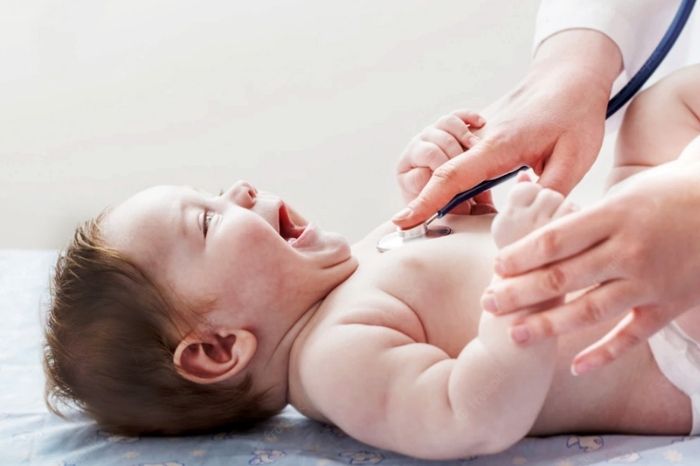
Common Symptoms in Children
Children may develop different symptoms as they grow. Therefore, parents should recognise warning signs and seek medical advice when needed.
Fever, cough and cold
Vomiting and diarrhoea
Poor appetite or feeding difficulties
Unusual weight loss or poor weight gain
Skin rashes and allergic reactions
Recurrent respiratory infections
Delayed developmental milestones
Persistent tiredness or unusual irritability
However, symptoms can have different causes. Parents should consult a qualified paediatrician for an accurate assessment rather than relying on self-diagnosis.
Paediatric Treatment and Child Healthcare Services
Paediatric treatment depends on the child’s age, symptoms and medical history. Accordingly, a paediatrician may recommend a clinical examination, diagnostic tests or medicines when appropriate.
Newborn and Infant Care: Monitoring feeding, weight gain and general health.
Growth and Development Assessment: Tracking height, weight and developmental milestones.
Childhood Illness Treatment: Evaluating fever, infections and digestive problems.
Vaccination and Immunisation: Following recommended childhood vaccination schedules.
Nutrition Guidance: Addressing feeding difficulties and nutritional concerns.
Respiratory and Allergy Assessment: Evaluating cough, wheezing and suspected allergies.
Preventive Healthcare: Encouraging regular check-ups and age-appropriate health practices.
Furthermore, follow-up consultations help monitor treatment progress and identify concerns that may require additional care.
Precautions for Children's Health
Preventive care helps reduce the risk of many childhood illnesses and supports healthy development. Parents can follow these precautions:
Maintain proper handwashing and personal hygiene.
Provide balanced meals and sufficient fluids according to the child’s age.
Follow the recommended vaccination schedule.
Ensure adequate sleep, physical activity and age-appropriate play.
Keep the child’s surroundings clean and safe.
Administer medicines only as directed by a healthcare professional.
Avoid giving antibiotics or other prescription medicines without medical advice.
Attend routine health check-ups and monitor developmental milestones.
In addition, seek urgent medical attention if a child experiences difficulty breathing, seizures, unusual unresponsiveness or signs of severe dehydration.
Recovery and Aftercare for Children
Recovery depends on the illness, its severity and the treatment required. Therefore, parents should follow the paediatrician’s instructions and allow children adequate rest during recovery.
Adequate Rest: Ensure sufficient sleep and gradually resume normal activities as the child improves.
Proper Hydration: Offer suitable fluids according to the child’s age and medical advice.
Nutritious Food: Provide balanced meals and follow any dietary recommendations.
Medication Compliance: Complete or continue prescribed treatment exactly as directed.
Symptom Monitoring: Observe fever, appetite, activity levels and other symptoms.
Follow-Up Visits: Attend recommended appointments to assess recovery and address concerns.
Moreover, parents should contact the doctor if symptoms persist, worsen or return after initial improvement. Children with severe or rapidly worsening symptoms need prompt medical assessment.