Swarajyam Hospital | Super Multispeciality Hospital

What Is Neurology?
Types of Neurological Disorders
Neurological disorders affect different parts of the nervous system and may cause changes in movement, sensation, memory or coordination. Common conditions include:
Stroke: Occurs when blood flow to part of the brain becomes blocked or bleeding affects the brain.
Epilepsy: A neurological condition characterised by a tendency to experience recurrent seizures.
Migraine and Headaches: Conditions that can cause recurring headaches, sometimes with nausea or sensitivity to light.
Parkinson’s Disease: A progressive neurological condition that can affect movement, balance and coordination.
Alzheimer’s Disease and Dementia: Conditions associated with declining memory, thinking and other cognitive abilities.
Peripheral Neuropathy: Nerve damage that may cause numbness, tingling, pain or weakness.
Spinal Nerve Disorders: Conditions such as nerve compression that may cause back pain, radiating pain or weakness.
Movement Disorders: Conditions that affect muscle control, coordination or involuntary movements.
Causes of Neurological Disorders
Neurological conditions can develop due to several factors. Therefore, identifying the underlying cause is an important part of diagnosis and treatment.
Reduced blood supply to the brain or bleeding within the brain.
Genetic factors and inherited neurological conditions.
Infections affecting the brain, spinal cord or nerves.
Head injuries and spinal cord injuries.
Diabetes and other conditions that can damage nerves.
Autoimmune diseases affecting the nervous system.
Age-related changes and neurodegenerative diseases.
Brain tumours and other structural abnormalities.
Nutritional deficiencies and certain medication-related effects.
However, some neurological disorders have multiple causes, while others develop without a clearly identifiable cause. A neurological examination and appropriate investigations can help determine the likely diagnosis.
Common Symptoms of Neurological Disorders
Symptoms vary according to the affected part of the nervous system and the underlying condition. Patients may experience:
Persistent or recurring headaches.
Dizziness, balance difficulties or coordination problems.
Numbness, tingling or burning sensations.
Muscle weakness or involuntary movements.
Seizures or episodes of altered awareness.
Memory loss, confusion or difficulty concentrating.
Tremors, stiffness or difficulty walking.
Vision, speech or swallowing difficulties.
Neck pain, back pain or pain radiating into the arms or legs.
Important: Sudden facial drooping, weakness on one side, difficulty speaking, sudden vision loss or a sudden severe headache may indicate a medical emergency. Seek emergency medical care immediately.
Neurology Treatment Services
Neurology treatment depends on the diagnosis, symptom severity and overall health of the patient. Available services may include:
1. Neurological Consultation and Assessment
A neurologist reviews the patient’s medical history, symptoms and neurological function. Additionally, the assessment may include tests of muscle strength, reflexes, sensation, coordination and mental status.
2. Stroke Assessment and Management
Timely assessment helps identify possible strokes and determine the appropriate treatment. Early emergency care is essential because certain stroke treatments work best within specific time windows.
3. Epilepsy and Seizure Management
Neurological evaluation can help determine the cause of seizures and guide treatment. Depending on the diagnosis, management may include anti-seizure medication and appropriate follow-up.
4. Headache and Migraine Treatment
A neurologist can assess recurring headaches, identify possible triggers and recommend suitable medicines or preventive strategies. Furthermore, unusual or sudden severe headaches require prompt medical evaluation.
5. Movement Disorder Management
Patients with tremors, stiffness, slow movement or balance problems may benefit from neurological assessment. Treatment aims to manage symptoms and maintain daily functioning.
6. Peripheral Nerve and Neuropathy Care
Assessment can help identify nerve problems associated with diabetes, nutritional deficiencies, nerve compression or other causes. Treatment focuses on the underlying condition and symptom management.
7. Memory and Cognitive Assessment
Patients experiencing memory changes, confusion or difficulties with concentration may require a detailed assessment. Appropriate investigations can help identify possible causes and guide further care.
8. Spinal Nerve and Neurological Pain Assessment
Neurological evaluation can help investigate radiating pain, numbness, tingling and weakness that may result from nerve compression or other neurological conditions.
Neurological Diagnostic Tests and Procedures
Doctors may recommend diagnostic tests according to the patient’s symptoms and examination findings.
MRI Brain or Spine: Produces detailed images of brain and spinal structures.
CT Scan: Helps identify certain brain injuries, bleeding and other urgent conditions.
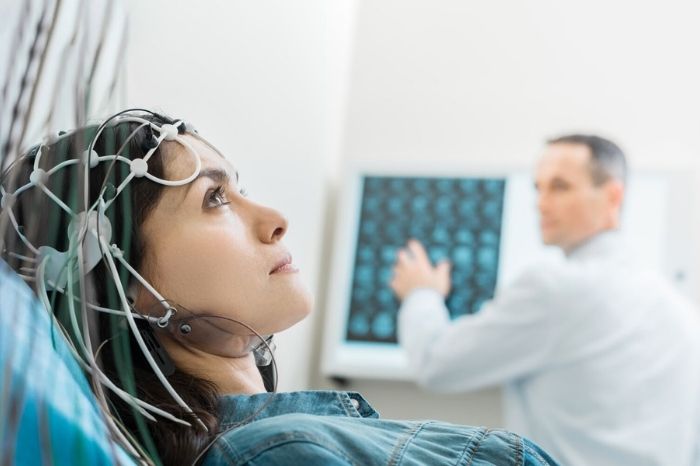
EEG (Electroencephalogram): Records electrical activity in the brain and may help evaluate seizures.
EMG and Nerve Conduction Studies: Assess muscle electrical activity and nerve signal function.
Blood Tests: Help investigate metabolic problems, infections, nutritional deficiencies and other potential causes.
Lumbar Puncture: Collects cerebrospinal fluid for selected diagnostic investigations when clinically indicated.
Not every patient needs every test. The treating doctor selects investigations according to the suspected condition and the patient’s clinical needs. Surgical procedures, when necessary, require assessment by the relevant specialist and are not part of every neurology service.
Precautions for Maintaining Neurological Health
Healthy daily habits can help reduce certain risk factors associated with neurological problems. However, precautions cannot prevent every neurological condition.
Monitor blood pressure, blood sugar and cholesterol levels.
Follow a balanced diet and maintain regular physical activity.
Get sufficient sleep and maintain a consistent sleep routine.
Avoid smoking and limit or avoid alcohol.
Wear appropriate protective equipment to reduce head injury risks.
Take prescribed medicines as directed and attend follow-up appointments.
Follow medical advice for diabetes and other long-term conditions.
Seek medical attention for persistent, unexplained or worsening neurological symptoms.
Moreover, patients with epilepsy or other neurological disorders should follow condition-specific safety advice from their healthcare professional.
Recovery and Rehabilitation After Neurological Treatment
Recovery depends on the type of neurological condition, its severity, the treatment received and the patient’s overall health. Some conditions improve with medication and supportive care, while others require long-term management or rehabilitation.
Medication Adherence: Take prescribed medicines according to the treating doctor’s instructions.
Physical Rehabilitation: Physiotherapy may help improve strength, balance, mobility and coordination when appropriate.
Speech and Language Therapy: May support communication or swallowing difficulties after certain neurological conditions.
Occupational Therapy: Can help patients practise daily activities and improve independence.
Healthy Lifestyle: Balanced nutrition, sufficient rest and suitable physical activity support general wellbeing.
Regular Follow-Up: Scheduled appointments help monitor symptoms, review treatment and adjust the care plan when necessary.
Furthermore, patients recovering from a stroke, brain injury or other significant neurological condition may need an individualised rehabilitation programme. Progress varies, so patients should follow professional guidance rather than compare their recovery with others.