Swarajyam Hospital | Super Multispeciality Hospital

Joint Replacement Surgery Specialist in Gondia – Advanced Orthopedic Care at Swarajyam Super & Multispeciality Hospital
Joint pain and mobility problems can significantly affect daily activities, independence, and overall quality of life. Conditions such as arthritis, joint injuries, and age-related joint degeneration often cause severe pain and restrict movement. Therefore, consulting a trusted Joint Replacement Surgery Specialist in Gondia is essential for accurate diagnosis, advanced treatment, and long-term relief.At Swarajyam Super & Multispeciality Hospital, experienced orthopedic surgeons provide advanced joint replacement surgery in Gondia using modern surgical techniques and precision-based approaches. The hospital offers comprehensive joint replacement care for patients suffering from severe knee, hip, and other joint-related problems. Furthermore, the Joint Replacement Surgery Specialist in Gondia at Swarajyam Hospital carefully evaluates every patient’s condition before recommending treatment. The orthopedic team considers medical history, lifestyle, joint damage, and recovery goals to create a personalized treatment plan.
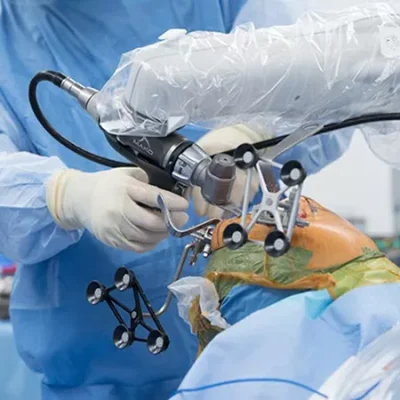
Understanding the Need for Joint Replacement Surgery
Expert Joint Replacement Surgeons & Dedicated Orthopedic Team
The success of joint replacement surgery depends on the expertise of the orthopedic surgical team. At Swarajyam Super & Multispeciality Hospital, experienced orthopedic surgeons specialize in knee replacement, hip replacement, and advanced joint reconstruction procedures.The surgical team uses modern techniques and precision-based approaches to perform procedures with accuracy and achieve long-term results. Furthermore, specialists carefully evaluate each patient’s condition before recommending surgery to ensure the treatment meets their specific needs.
In addition, the supporting healthcare team, including anesthesiologists, nurses, and physiotherapists, provides essential care before, during, and after surgery. Their coordinated efforts help improve patient safety, support faster recovery, and reduce the risk of complications.
As a result, patients receive complete joint replacement care with expert guidance and personalized support throughout their treatment journey.
Advanced Infrastructure for Joint Replacement Surgery
Modern infrastructure plays an important role in achieving successful orthopedic surgery outcomes. Therefore, Swarajyam Super & Multispeciality Hospital provides advanced operation theatres designed to support safe and precise joint replacement procedures.
The operation theatres maintain strict sterile standards and include modern surgical equipment and advanced monitoring systems. These facilities help orthopedic surgeons perform procedures with greater accuracy while improving patient safety.
Furthermore, the hospital uses advanced technology to reduce surgical risks and support better treatment outcomes. In addition, dedicated pre-operative and post-operative care units provide complete assistance throughout the patient’s treatment journey.
As a result, patients receive comprehensive joint replacement care with advanced facilities, expert supervision, and continuous medical support for a smoother recovery.
Types of Joint Replacement Surgeries Offered
Swarajyam Super & Multispeciality Hospital provides advanced joint replacement procedures based on each patient’s condition, joint damage, and recovery requirements.
• Knee Replacement Surgery
Knee replacement surgery helps patients suffering from severe arthritis, joint damage, and chronic knee pain. The procedure restores movement, reduces discomfort, and improves overall quality of life.
• Hip Replacement Surgery
Hip replacement surgery treats patients with hip joint damage, fractures, and degenerative conditions. It helps restore mobility, relieve pain, and support a more active lifestyle.
• Partial Joint Replacement
Partial joint replacement is performed when only a specific part of the joint is damaged. This procedure helps preserve healthy bone and tissues while improving joint function.
• Revision Joint Replacement
Revision joint replacement helps patients who need correction or replacement after previous joint surgery.
Step-by-Step Approach to Joint Replacement Surgery
• Pre-Surgery Evaluation
Patients undergo detailed assessments, including imaging tests, physical examinations, and medical history reviews. This evaluation helps doctors understand the joint condition and create the most suitable treatment plan.
• Surgical Planning
Based on the diagnosis, orthopedic surgeons develop a personalized surgical plan. This approach ensures precise treatment and better surgical outcomes.
• Surgery Procedure
During the procedure, surgeons replace damaged joint surfaces with advanced artificial implants. These implants help restore natural movement and improve joint function.
• Post-Surgery Care
After surgery, the medical team closely monitors patients to support recovery, manage pain, and prevent possible complications.
Post-Surgery Rehabilitation & Physiotherapy
Recovery plays an important role in achieving successful results after joint replacement surgery. Therefore, Swarajyam Super & Multispeciality Hospital provides structured physiotherapy and rehabilitation programs to support faster and safer recovery.The rehabilitation program focuses on improving muscle strength, flexibility, balance, and joint movement. Furthermore, early mobilization helps patients regain independence, improve mobility, and reduce the risk of post-surgery complications.
In addition, the medical team creates personalized rehabilitation plans according to each patient’s condition, recovery progress, and lifestyle needs. This patient-focused approach helps individuals achieve better recovery outcomes and return to their daily activities with confidence.
Benefits of Joint Replacement Surgery
Joint replacement surgery provides long-term relief and helps patients regain better mobility and independence.
Key benefits include:
• Reduced joint pain and discomfort
• Improved mobility, flexibility, and movement
• Enhanced overall quality of life
• Better ability to perform daily activities without difficulty
• Long-lasting and effective treatment outcomes
Furthermore, successful recovery helps patients improve their confidence and enjoy greater independence in everyday life.
Why Choose Swarajyam Hospital for Joint Replacement in Gondia?
Key advantages include:
• Experienced orthopedic surgeons with expertise in joint replacement procedures
• Advanced surgical infrastructure and modern medical facilities
• 24/7 emergency and ICU support for patient safety
• Personalized treatment planning based on individual needs
• Comprehensive physiotherapy and rehabilitation programs
• Patient-centered care with continuous medical support
Therefore, Swarajyam Hospital is a trusted choice for patients seeking a reliable Joint Replacement Surgery Specialist in Gondia.
Commitment to Excellence in Orthopedic Care
Conclusion
Joint pain and mobility issues should not limit your lifestyle. With advanced medical care available at Swarajyam Super & Multispeciality Hospital, patients can access expert treatment from experienced orthopedic specialists.
For those seeking a trusted joint replacement surgery specialist in Gondia, the hospital offers comprehensive care, modern surgical techniques, and dedicated rehabilitation support.
Therefore, early consultation and timely treatment can help restore mobility, reduce pain, and improve overall quality of life.
Knee Replacement Gondia – Advanced Knee Joint Care at Swarajyam Super & Multispeciality Hospital
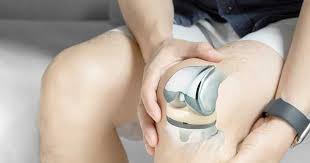
Knee pain affects people of different age groups and often limits daily activities, especially in older individuals. Aging, arthritis, injuries, and continuous stress can damage the knee joint over time. When this damage becomes severe, patients experience difficulty walking, sitting, standing, and climbing stairs. In such situations, Knee Replacement Surgery in Gondia provides an effective solution to reduce pain and restore mobility. At Swarajyam Super & Multispeciality Hospital, experienced orthopedic surgeons perform knee replacement procedures using advanced surgical techniques, modern medical equipment, and precision-based approaches.
Understanding Knee Joint Problems in Detail
The knee joint is one of the largest and most complex joints in the human body. It supports body weight during movement and experiences continuous pressure throughout daily activities. Therefore, the knee becomes more vulnerable to wear and tear, injuries, and degenerative conditions over time. As people age, the protective cartilage inside the knee gradually wears down. This cartilage damage causes friction between the bones, leading to pain, stiffness, and reduced mobility. Arthritis remains one of the most common causes of severe knee problems. Osteoarthritis damages the cartilage slowly, while rheumatoid arthritis causes inflammation that can progressively affect joint health.Furthermore, accidents, sports injuries, and falls can damage the knee structure and create long-term complications. Without proper treatment, these injuries may worsen and affect normal movement. Excess body weight also increases pressure on the knee joint and contributes to faster degeneration.
When Knee Replacement Becomes Necessary
Knee replacement surgery becomes necessary when non-surgical treatments such as medications, physiotherapy, injections, and lifestyle changes no longer provide effective relief. Patients often reach this stage after experiencing progressive knee damage over several years.Severe and continuous knee pain, even during rest, indicates that surgery may be required. Additionally, many patients experience morning stiffness, difficulty bending the knee, and challenges while performing daily activities. Simple tasks like walking, climbing stairs, or standing for long periods may become difficult, and some patients may need support from walking aids.Furthermore, reduced quality of life plays an important role in deciding the need for surgery. When knee pain affects sleep, mobility, and independence, knee replacement can provide a long-term solution.
At Swarajyam Super & Multispeciality Hospital, orthopedic specialists carefully assess each patient’s condition and recommend knee replacement only when it is the most suitable option. The team also considers alternative treatments whenever they can provide effective results.
Types of Knee Replacement Procedures Explained
Knee replacement surgery depends on the extent of joint damage, patient health, and individual treatment needs. Orthopedic specialists at Swarajyam Super & Multispeciality Hospital carefully evaluate each patient before selecting the most suitable procedure.
• Total Knee Replacement
This procedure replaces the entire damaged knee joint with an artificial implant. It helps patients with severe arthritis, cartilage loss, and advanced joint damage reduce pain and improve mobility.
• Partial Knee Replacement
This surgery replaces only the damaged part of the knee while preserving healthy bone and tissues. It supports faster recovery and natural joint movement.
• Revision Knee Replacement
This procedure treats complications related to previous knee implants and helps restore joint function.
Furthermore, personalized treatment planning ensures that every patient receives safe and effective knee replacement care based on their specific condition.
Detailed Diagnosis and Pre-Surgical Evaluation
Accurate diagnosis plays an important role in achieving successful Knee Replacement Surgery in Gondia. At Swarajyam Super & Multispeciality Hospital, orthopedic specialists perform a detailed evaluation before recommending surgery. The medical team conducts a thorough physical examination to assess pain levels, knee movement, swelling, joint stability, and overall mobility. Furthermore, doctors use advanced imaging tests such as X-rays and scans to evaluate cartilage damage, bone alignment, and structural changes in the knee joint.In addition, blood tests and general health assessments help determine the patient’s fitness for surgery. Doctors also review medical history, especially for patients with conditions like diabetes, heart problems, or other chronic health issues.
Based on the complete evaluation, the orthopedic team creates a personalized treatment plan to ensure safe surgery and effective recovery. This careful preparation helps reduce risks, improve surgical outcomes, and support better long-term results.
Expertise of Orthopedic Surgeons and Medical Team
The success of Knee Replacement Surgery in Gondia depends greatly on the experience and expertise of the orthopedic surgical team. At Swarajyam Super & Multispeciality Hospital, skilled orthopedic surgeons perform advanced joint replacement procedures using modern surgical techniques and precision-based approaches.The surgical team has extensive experience in managing complex knee conditions and focuses on achieving safe procedures with long-term results. Furthermore, doctors carefully plan each surgery according to the patient’s condition, health requirements, and recovery goals.In addition, anesthetists, nurses, physiotherapists, and support staff work together to provide complete patient care. Each team member supports patients during pre-surgery preparation, surgery, and post-operative recovery. This coordinated approach ensures continuous monitoring, improved safety, and better treatment outcomes. Swarajyam Hospital focuses on providing comfortable, reliable, and patient-centered knee replacement care throughout the treatment journey.
Modern Operation Theatre and Surgical Technology
Advanced surgical infrastructure plays an important role in achieving successful Knee Replacement Surgery in Gondia. Swarajyam Super & Multispeciality Hospital provides modern operation theatres specially designed for orthopedic procedures with a strong focus on safety and precision. The hospital maintains strict hygiene standards and follows advanced infection control practices to protect patients during surgery. Furthermore, the operation theatres include modern surgical instruments and monitoring systems that help orthopedic surgeons perform procedures accurately.
Real-time monitoring technology allows the medical team to track vital signs throughout the surgery and respond quickly to any changes in the patient’s condition. In addition, advanced anesthesia techniques help improve patient comfort and ensure a safer surgical experience.
These modern facilities and advanced technologies help reduce complications, support faster recovery, and improve overall knee replacement outcomes.
Step-by-Step Surgical Process
Knee replacement surgery follows a structured and well-planned approach to ensure patient safety and successful recovery. Before the procedure, doctors provide detailed counseling to explain the surgery, expected results, and recovery process. This preparation helps patients understand the treatment and feel more confident.During the surgery, orthopedic surgeons remove damaged cartilage and bone surfaces from the knee joint and replace them with advanced artificial implants. These implants help restore natural knee movement, improve joint function, and provide long-term durability.After the procedure, the medical team transfers patients to a recovery unit for close monitoring. Doctors manage pain effectively and introduce early mobility exercises under expert supervision. Furthermore, the hospital team evaluates recovery progress and provides necessary care based on each patient’s health condition.
The recovery period and hospital stay depend on individual healing progress, overall health, and response to treatment.
Rehabilitation and Physiotherapy for Recovery
Recovery after knee replacement surgery requires proper rehabilitation, regular exercises, and continuous medical support. Physiotherapy plays an important role in restoring knee movement, strength, and flexibility. At Swarajyam Super & Multispeciality Hospital, specialists create personalized rehabilitation programs based on each patient’s condition and recovery goals. Early movement exercises help patients reduce stiffness, improve blood circulation, and support faster healing. Furthermore, gradual strengthening exercises rebuild the muscles around the knee joint and improve stability. Patients begin walking with assistance under medical supervision to regain mobility safely.
In addition, regular follow-up visits help doctors monitor recovery progress and address any concerns during the healing process. With consistent rehabilitation and proper care, patients can regain independence, return to daily activities, and improve their overall quality of life.
Patient Care, Support, and Hospital Commitment
At Swarajyam Super & Multispeciality Hospital, patient care extends beyond surgical treatment. The medical team provides emotional support, clear communication, and continuous guidance throughout the entire treatment journey. Doctors and healthcare professionals keep patients and their families informed about every stage of care.
Furthermore, the hospital offers multispeciality support to manage patients with additional health conditions. Various departments, including internal medicine, physiotherapy, radiology, and critical care, work together to provide coordinated and complete medical care whenever required.In addition, the dedicated healthcare team focuses on patient safety, comfort, and recovery at every step. The commitment of doctors, nurses, and support staff ensures that every patient receives compassionate, high-quality care from admission through complete recovery.
Conclusion
Knee replacement surgery provides a life-changing solution for patients experiencing severe knee pain, joint damage, and mobility challenges. With advanced orthopedic care at Swarajyam Super & Multispeciality Hospital, patients receive expert surgical treatment, modern facilities, and complete recovery support. For individuals seeking Knee Replacement in Gondia, the hospital provides a comprehensive approach focused on reducing pain, restoring movement, and improving overall quality of life. The experienced orthopedic team evaluates each patient carefully and creates a personalized treatment plan for better outcomes. Furthermore, timely consultation and appropriate treatment can help patients regain independence and return to an active lifestyle. With advanced techniques, compassionate care, and continuous support, Swarajyam Hospital helps patients achieve long-term relief and improved mobility.
FAQs – Joint Replacement Surgery Specialist in Gondia & Knee Replacement Gondia
1. What is joint replacement surgery?
Joint replacement surgery replaces a damaged joint with an artificial implant. It helps restore movement and reduce pain.
2. When is knee replacement surgery required?
Knee replacement is needed when pain, stiffness, and mobility issues do not improve with medicines or therapy.
3. Who is the best doctor for joint replacement in Gondia?
Patients can consult experienced orthopedic specialists at Swarajyam Super & Multispeciality Hospital for advanced joint care.
4. Is knee replacement surgery safe?
Yes, it is safe when performed by experienced surgeons with proper care and advanced facilities.
5. How long does a knee replacement last?
A knee implant can last many years with proper care, regular follow-ups, and a healthy lifestyle.
6. Is recovery after knee replacement painful?
Some discomfort is common after surgery. Medicines and physiotherapy help manage pain and improve recovery.
Book an Appointment – Joint Replacement & Knee Replacement in Gondia
If you experience chronic knee pain or joint problems, consulting a Joint Replacement Surgery Specialist in Gondia at the right time can help prevent further damage and improve mobility. Early diagnosis and proper treatment planning support better recovery outcomes. At Swarajyam Super & Multispeciality Hospital, patients receive expert orthopedic evaluation, advanced joint replacement procedures, and complete rehabilitation support. The hospital provides modern facilities, experienced orthopedic surgeons, and personalized care to help patients achieve long-term relief.
How to Book Your Appointment
• Call the hospital for appointment scheduling and emergency assistance.
• Visit the hospital for an orthopedic consultation and detailed evaluation.
• Schedule a planned consultation to understand your joint condition and treatment options.