Swarajyam Hospital | Super Multispeciality Hospital

What Is Head & Neck Cancer Care?
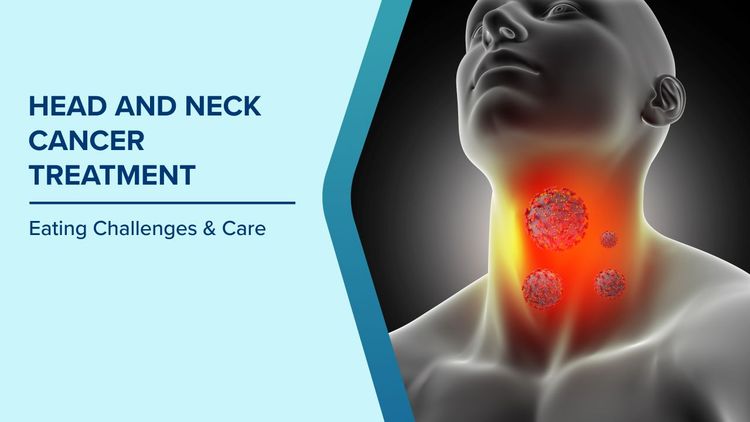
Types of Head & Neck Cancer
Head and neck cancers can develop in different tissues and organs. Common types include:
Oral Cancer: Cancer affecting the lips, gums, inner cheeks, floor of the mouth, or other parts of the oral cavity.
Tongue Cancer: Cancer that develops in the tongue and may affect speech, chewing, and swallowing.
Throat Cancer: Cancer involving areas of the throat, including the oropharynx and hypopharynx.
Laryngeal Cancer: Cancer of the voice box that may cause persistent hoarseness or voice changes.
Salivary Gland Cancer: Cancer that develops in the glands responsible for producing saliva.
Nasal Cavity and Paranasal Sinus Cancer: Cancer affecting the nose or air-filled spaces around it.
Nasopharyngeal Cancer: Cancer that develops in the upper part of the throat behind the nose.
Thyroid Cancer: Cancer affecting the thyroid gland in the front of the neck.
Other Neck Tumours: Certain cancers can affect lymph nodes and other structures in the neck.
Treatment depends on the exact cancer type, its location, stage, and the patient’s overall health.
Common Symptoms and Warning Signs
Head and neck cancers can cause symptoms that resemble common infections or other non-cancerous conditions. However, persistent or unexplained symptoms need medical evaluation.
Watch for the following warning signs:
A mouth ulcer that does not heal
A persistent lump or swelling in the neck
Difficulty swallowing or pain while swallowing
A persistent sore throat
Hoarseness or voice changes that do not improve
A red or white patch inside the mouth
Unexplained bleeding in the mouth or throat
Persistent nasal blockage or repeated nosebleeds
Numbness or pain in the face or mouth
Difficulty moving the tongue or jaw
Unexplained weight loss
If these symptoms persist for around two to three weeks, consult a qualified healthcare professional. However, seek urgent medical care for significant bleeding, rapidly worsening swallowing difficulty, or breathing problems.
Causes and Risk Factors of Head & Neck Cancer
Several factors can increase the risk of developing head and neck cancer. Nevertheless, having a risk factor does not mean that a person will develop cancer, and some patients have no clearly identified risk factor.
Common risk factors include:
Tobacco use, including smoking and smokeless tobacco
Alcohol consumption, particularly alongside tobacco use
Human papillomavirus (HPV) infection in certain oropharyngeal cancers
Exposure to certain workplace chemicals and dusts
Specific infections, including Epstein–Barr virus in some nasopharyngeal cancers
Certain inherited or environmental factors
Previous radiation exposure to the head and neck area
Consequently, avoiding tobacco, limiting alcohol exposure, and seeking medical advice for persistent symptoms can support risk reduction and earlier detection.
Diagnostic Procedures for Head & Neck Cancer
Accurate diagnosis helps specialists determine the cancer type, location, and stage. Depending on the symptoms and examination findings, the diagnostic process may include the following investigations.
1. Clinical Examination
A specialist examines the mouth, tongue, throat, nose, and neck for unusual changes, lesions, or lumps. The doctor may also review symptoms, medical history, and risk factors.
2. Biopsy
A biopsy involves collecting a small tissue sample for laboratory examination. It often confirms whether an abnormal area contains cancer cells and helps identify the cancer type.
3. Imaging Tests
CT scans, MRI scans, and PET-CT scans may help doctors assess the tumour’s size, location, and possible spread. The specialist selects appropriate imaging based on the suspected cancer and clinical needs.
4. Endoscopy
An endoscopic examination uses a thin instrument with a camera to inspect selected areas of the nose, throat, or voice box. Doctors may use this procedure to examine abnormalities and guide further investigations.
5. Fine-Needle Aspiration (FNA)
FNA uses a thin needle to collect cells from a neck lump or selected mass. Laboratory analysis can help investigate the cause of the swelling.
6. HPV and Other Laboratory Testing
For certain cancers, specialists may recommend HPV-related testing or other laboratory investigations. These results can help classify the cancer and guide treatment decisions.
7. Cancer Staging
After confirming the diagnosis, the medical team determines the stage using relevant examination, biopsy, and imaging findings. Staging helps guide treatment planning and discussions about prognosis.
Head & Neck Cancer Treatment Options
Treatment depends on the cancer’s location, stage, biological features, and the patient’s general health and preferences. The care team may recommend one treatment or a combination of approaches.
Cancer Surgery
Surgery may remove a tumour and, when necessary, nearby affected tissue or lymph nodes. Depending on the tumour’s location, reconstructive surgery may help restore appearance or functions such as speaking and swallowing.
Radiation Therapy
Radiation therapy uses high-energy radiation to destroy cancer cells. Doctors may recommend it as the main treatment for selected cancers or after surgery to reduce the risk of recurrence.
Chemotherapy
Chemotherapy uses medicines to destroy or control cancer cells. Depending on the cancer type and treatment plan, doctors may combine chemotherapy with radiation therapy or other treatments.
Targeted Therapy
Targeted therapy uses medicines that act on specific features of cancer cells. Specialists may consider this approach when the cancer’s characteristics and clinical guidelines support its use.
Immunotherapy
Immunotherapy helps the immune system recognise and attack cancer cells. Doctors may recommend it for certain advanced, recurrent, or metastatic head and neck cancers, depending on the clinical situation.
Reconstructive and Functional Rehabilitation
Some patients need reconstructive procedures or rehabilitation after cancer treatment. Speech and swallowing therapy, dental care, and nutritional support can help address treatment-related difficulties.
Palliative and Supportive Care
Supportive and palliative care helps manage pain, swallowing problems, nutrition concerns, and other symptoms. It can accompany cancer treatment and aims to improve comfort and quality of life.
Precautions and Prevention
Not all head and neck cancers can be prevented. However, certain lifestyle choices can reduce some known risks and support general health.
Avoid smoking and all forms of tobacco.
Avoid smokeless tobacco products such as chewing tobacco and gutka.
Limit or avoid alcohol consumption.
Discuss HPV vaccination with a qualified healthcare professional.
Maintain good oral hygiene and attend regular dental check-ups.
Seek evaluation for persistent mouth ulcers, neck lumps, or voice changes.
Follow medical advice and attend recommended screening or follow-up appointments.
Avoid self-medicating persistent oral or throat symptoms without professional assessment.
Early medical attention is particularly important because some head and neck cancers can initially resemble common mouth or throat problems.
Recovery and Rehabilitation After Treatment
Recovery varies according to the cancer type, treatment method, and individual health. Some patients experience temporary changes in speech, swallowing, taste, saliva production, or energy levels. Therefore, personalised rehabilitation and follow-up care are important parts of recovery.
After treatment, your care team may recommend:
Regular examinations and follow-up visits
Nutritional assessment and dietary guidance
Speech and swallowing therapy
Dental care and oral hygiene support
Exercises or rehabilitation recommended by your specialist
Pain management and support for treatment-related side effects
Emotional support and guidance for caregivers
Attend follow-up appointments even when you feel well, as these visits help doctors monitor recovery and check for possible recurrence or late treatment effects.
When Should You Consult a Head & Neck Cancer Specialist?
Consider a specialist consultation if you notice a persistent mouth ulcer, unexplained neck lump, ongoing hoarseness, difficulty swallowing, or an unusual oral lesion. Moreover, people who use tobacco or have other recognised risk factors should seek prompt assessment when symptoms develop.
Early evaluation does not necessarily mean that you have cancer. However, it can help identify the cause of symptoms and ensure that any serious condition receives timely attention.
Why Choose Head & Neck Cancer Care Services?
Head and neck cancer management often requires coordination between several medical specialists. A multidisciplinary approach can help patients understand their options and receive care suited to their diagnosis.
Our service aims to support patients through:
Specialist assessment of suspicious head and neck symptoms
Diagnostic investigations and cancer staging
Individualised treatment planning
Coordination of surgery, radiation, and medical oncology care when indicated
Support for speech, swallowing, and nutritional needs
Follow-up consultations and recovery guidance
Patient and family education throughout the care journey
The availability of specific specialists, investigations, and procedures depends on the hospital’s facilities and clinical team.