Swarajyam Hospital | Super Multispeciality Hospital

What Is Gastroenterology?
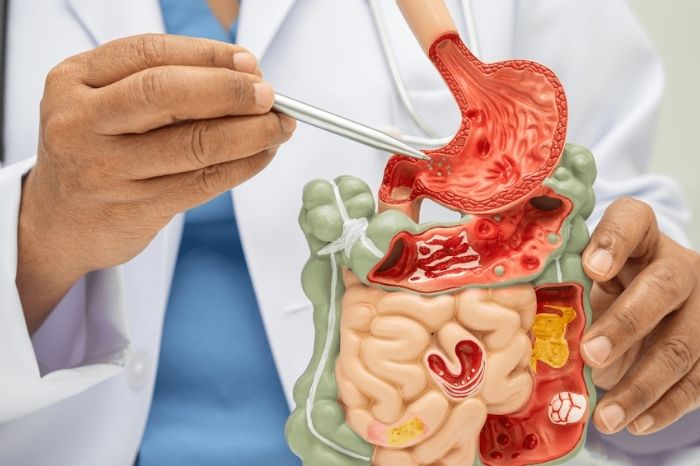
Types of Gastrointestinal Disorders
Digestive disorders can affect different organs and interfere with digestion, nutrient absorption and bowel movements. Common gastrointestinal conditions include:
Acid Reflux and GERD: Conditions in which stomach acid flows back into the oesophagus, causing discomfort.
Gastritis: Inflammation of the stomach lining.
Peptic Ulcers: Sores that develop in the lining of the stomach or upper small intestine.
Irritable Bowel Syndrome (IBS): A condition that affects bowel habits and may cause abdominal pain and bloating.
Inflammatory Bowel Disease (IBD): Conditions such as Crohn’s disease and ulcerative colitis that cause chronic digestive tract inflammation.
Fatty Liver Disease: Fat accumulation in the liver that may affect liver health.
Hepatitis: Inflammation of the liver caused by infections, immune conditions or other factors.
Gallstones: Hardened deposits that develop in the gallbladder.
Pancreatitis: Inflammation of the pancreas.
Constipation and Chronic Diarrhoea: Bowel problems that may result from several digestive or medical conditions.
Causes of Digestive Disorders
Digestive problems can develop due to infections, dietary habits, medication use, lifestyle factors and underlying medical conditions. Common causes include:
Eating patterns that trigger digestive symptoms.
Bacterial or viral infections affecting the digestive system.
Helicobacter pylori infection, which can contribute to gastritis and peptic ulcers.
Frequent consumption of alcohol, which can damage the digestive system and liver.
Smoking and certain lifestyle habits.
Food intolerances and sensitivities.
Side effects of certain medicines, including some painkillers.
Genetic factors and autoimmune conditions.
Obesity and metabolic conditions associated with fatty liver disease.
Stress, which may worsen symptoms in some digestive disorders.
However, similar symptoms can arise from different conditions. Therefore, a medical assessment helps identify the cause and determine the most appropriate treatment.
Common Symptoms of Gastrointestinal Disorders
Digestive conditions can produce symptoms ranging from mild discomfort to serious complications. Common symptoms include:
Abdominal pain or cramps.
Acidity, heartburn or acid reflux.
Bloating and excessive gas.
Nausea and vomiting.
Diarrhoea or constipation.
Difficulty swallowing.
Loss of appetite or unexplained weight loss.
Blood in the stool or black, tarry stools.
Yellowing of the skin or eyes.
Persistent changes in bowel habits.
Important: Seek urgent medical attention for severe abdominal pain, vomiting blood, black tarry stools accompanied by weakness, or signs of severe dehydration. Yellowing of the eyes or skin also requires prompt medical evaluation.
Gastroenterology Treatment Services
Gastroenterology treatment depends on the affected organ, underlying diagnosis and severity of symptoms. Appropriate care may include medication, dietary changes, lifestyle modifications or specialised procedures.
1. Acid Reflux and GERD Management
Gastroenterologists evaluate recurring heartburn, acid reflux and related symptoms. Treatment may include lifestyle adjustments, prescribed medication and further investigations when symptoms persist or warning signs occur.
2. Gastritis and Peptic Ulcer Treatment
Doctors investigate possible causes of stomach inflammation and ulcers, including H. pylori infection and certain medications. Treatment may involve acid-reducing medicines, prescribed antibiotics for confirmed infection and follow-up when required.
3. Liver Disease Evaluation and Management
Gastroenterology services may include assessment of fatty liver disease, hepatitis and other liver disorders. Depending on the diagnosis, care may focus on lifestyle changes, treatment of the underlying cause and monitoring liver function.
4. IBS and Bowel Disorder Management
Patients experiencing abdominal discomfort, bloating, constipation or diarrhoea may benefit from an assessment to identify the underlying condition. Treatment can include dietary guidance, symptom management and appropriate medication.
5. Inflammatory Bowel Disease Care
Crohn’s disease and ulcerative colitis require individualised management and ongoing monitoring. Depending on disease severity, treatment may include prescribed medication, nutritional support and specialist follow-up.
6. Gallbladder and Pancreatic Disorder Assessment
Gallstones and pancreatic conditions may cause abdominal pain, nausea and digestive difficulties. Doctors may recommend blood tests, imaging and specialist treatment based on the condition and its severity.
7. Chronic Constipation and Diarrhoea Management
Persistent changes in bowel movements may result from dietary factors, medication effects, infections or other medical conditions. Assessment helps determine suitable treatment and whether additional investigations are necessary.
Gastroenterology Diagnostic Tests and Procedures
Nephrologists use different tests to evaluate kidney function and identify possible kidney damage. These may include:
Blood Creatinine Test: Measures creatinine levels to help assess kidney function.
Estimated Glomerular Filtration Rate (eGFR): Estimates how effectively the kidneys filter waste from the blood.
Urine Albumin Test: Checks for albumin in the urine, which can indicate kidney damage.
Urine Examination: Helps detect blood, protein and other abnormalities.
Kidney Ultrasound: Examines kidney size, structure and possible obstruction.
Electrolyte Tests: Measure minerals such as sodium and potassium.
Kidney Biopsy: In selected cases, a small kidney tissue sample helps identify the cause of kidney disease.
Dialysis Assessment: Determines whether dialysis may be necessary for severe kidney dysfunction.
Not every patient needs every test. The nephrologist selects investigations according to symptoms, medical history and clinical findings.
Precautions for Maintaining Digestive Health
Healthy habits can support digestive wellbeing and help reduce certain risk factors. Patients can consider the following precautions:
Eat balanced meals with suitable amounts of fibre.
Drink adequate fluids according to individual medical needs.
Maintain regular physical activity.
Practise safe food preparation and hand hygiene.
Limit alcohol and avoid smoking.
Avoid unnecessary use of painkillers and other medicines that may irritate the stomach.
Identify and discuss food triggers with a healthcare professional.
Maintain a healthy weight and follow appropriate dietary advice.
Seek medical evaluation for persistent digestive symptoms.
Attend recommended follow-up appointments for chronic digestive or liver conditions.
Moreover, avoid restrictive diets or unverified digestive supplements without medical guidance, especially if you have an existing liver or gastrointestinal condition.
Recovery and Aftercare Following Gastroenterology Treatment
Recovery depends on the underlying condition and the treatment received. Some digestive problems improve with medication and lifestyle changes, while others require endoscopic procedures, surgery or longer-term management.
Follow Prescribed Treatment: Take medication as directed and attend recommended reviews.
Follow Dietary Advice: Choose foods according to your diagnosis and the advice of your healthcare professional.
Maintain Hydration: Replace fluids appropriately, particularly after vomiting or diarrhoea.
Resume Activities Gradually: Follow medical advice after an endoscopy or other procedure.
Monitor Symptoms: Report persistent pain, worsening digestive symptoms or unexpected changes.
Attend Follow-Up Visits: Review test results, treatment response and any further care requirements.
Additionally, after sedation for an endoscopy, follow the facility’s discharge instructions regarding driving, work and other activities. Patients should seek urgent care for severe pain, significant bleeding, breathing difficulties or other serious symptoms after a procedure.