Swarajyam Hospital | Super Multispeciality Hospital

What Is Dermatology & Skin Care?
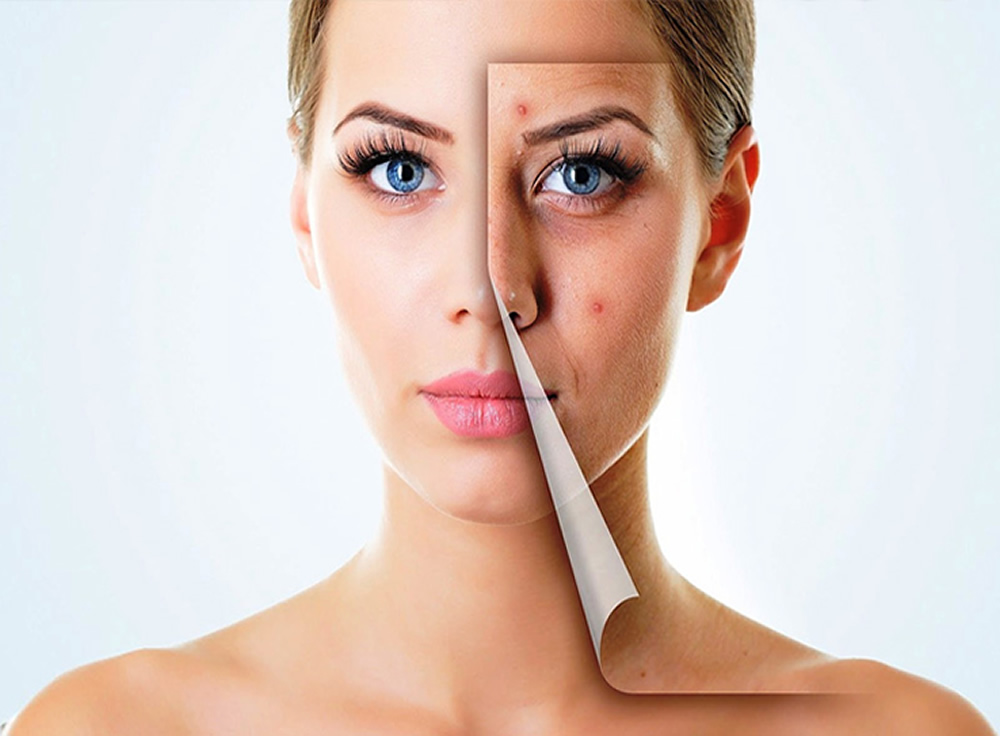
Types of Skin Conditions We Treat
Our dermatology services cover a wide range of common and complex skin concerns.
Acne and Pimples: Treatment for blackheads, whiteheads, inflamed pimples, and acne scars.
Skin Allergies: Assessment of itching, rashes, contact dermatitis, and allergic skin reactions.
Pigmentation Disorders: Care for melasma, dark spots, uneven skin tone, and selected pigment disorders.
Fungal and Skin Infections: Diagnosis and treatment of fungal infections, bacterial infections, and selected viral skin conditions.
Eczema and Psoriasis: Management of inflammatory skin conditions that cause dryness, redness, itching, or scaling.
Hair and Scalp Disorders: Evaluation of hair loss, dandruff, scalp irritation, and selected alopecia conditions.
Nail Disorders: Assessment of nail infections, brittle nails, discolouration, and abnormal nail growth.
Cosmetic Dermatology: Assessment of acne scars, selected skin marks, and age-related skin concerns.
Common Symptoms of Skin Problems
Skin conditions can cause discomfort, visible changes, and concerns about appearance. Therefore, consult a dermatologist if you experience persistent or recurring symptoms such as:
Redness, itching, or skin irritation
Pimples, blackheads, or painful acne
Dry, cracked, or scaly skin
Dark patches or changes in skin pigmentation
Rashes, swelling, or unexplained bumps
Excessive hair fall or bald patches
Scalp itching, flaking, or persistent dandruff
Thickened, discoloured, or brittle nails
Moles or skin growths that change in size, shape, or colour
Moreover, early evaluation can help identify the cause and guide suitable treatment.
Causes of Skin Conditions
Several factors can contribute to dermatological problems. In addition, understanding the underlying cause helps your dermatologist select the most appropriate treatment.
Hormonal Changes: Hormonal fluctuations can increase oil production and contribute to acne.
Allergens and Irritants: Cosmetics, detergents, fragrances, and certain chemicals can trigger skin reactions.
Infections: Fungi, bacteria, viruses, and parasites can cause different skin conditions.
Genetic Factors: Family history can influence conditions such as psoriasis, eczema, and certain hair disorders.
Environmental Exposure: Sunlight, pollution, heat, and dry weather can affect skin health.
Immune System Changes: Certain immune-related conditions can cause inflammation, rashes, and pigment changes.
Lifestyle and Skin Care Habits: Harsh products, excessive scrubbing, and unsuitable skin care routines can worsen irritation.
Dermatology Diagnostic Procedures
Accurate diagnosis helps dermatologists develop an appropriate treatment plan. Moreover, your specialist may recommend the following assessments depending on your symptoms.
Clinical Skin Examination: The dermatologist examines affected areas and reviews your symptoms and medical history.
Dermoscopy: A specialised magnifying device helps examine moles and other skin lesions.
Allergy Patch Testing: Selected patients may need patch testing to identify contact allergens.
Skin Scraping and Microscopy: These tests can help identify certain fungal infections and other skin conditions.
Skin Biopsy: A doctor may collect a small skin sample when laboratory examination can clarify a diagnosis.
Blood Tests: Selected cases may require blood tests to investigate underlying medical conditions.
Dermatology Treatment and Procedures
Our dermatology treatment approach focuses on the underlying condition, symptom severity, and individual skin care needs. Therefore, your dermatologist may recommend medication, lifestyle changes, or a suitable clinical procedure.
Acne Treatment: Doctors may recommend appropriate topical treatments or oral medicines depending on acne severity.
Allergy and Eczema Management: Treatment may include moisturisers, trigger avoidance, and prescribed anti-inflammatory medicines.
Fungal Infection Treatment: Dermatologists select suitable antifungal treatments according to the affected area and infection type.
Pigmentation Management: Treatment may include sun protection, selected topical products, or specialist procedures.
Hair Loss Treatment: Care depends on the cause and may include medication, scalp treatment, or further investigation.
Psoriasis Management: Treatment options may include topical medicines, phototherapy, or specialist systemic treatment.
Minor Skin Procedures: Selected lesions may require cryotherapy, removal, or biopsy following clinical assessment.
Cosmetic Skin Procedures: Eligible patients may consider selected laser treatments, chemical peels, or scar-management procedures after professional evaluation.
Precautions for Healthy Skin
A consistent skin care routine can help protect the skin barrier and reduce irritation. In addition, these precautions can support your dermatologist’s treatment plan.
Use a gentle cleanser suitable for your skin type.
Apply a broad-spectrum sunscreen with SPF 30 or higher when appropriate.
Moisturise regularly, especially if your skin feels dry.
Avoid picking pimples or scratching irritated areas.
Choose skin care products that suit your skin and avoid known triggers.
Do not share personal items such as razors, towels, or nail tools.
Avoid unprescribed steroid creams, bleaching products, and harsh home remedies.
Follow your dermatologist’s instructions when using prescription medicines.
Skin Treatment Recovery and Aftercare
Recovery depends on the skin condition, the treatment method, and your individual health. Moreover, some conditions improve within days or weeks, while chronic disorders may require long-term management.
After Medical Treatment: Follow the prescribed routine and use medicines only as directed.
After Acne Treatment: Avoid picking blemishes and follow your specialist’s advice about moisturisers and sun protection.
After Skin Procedures: Keep the treated area clean and follow the wound-care instructions your clinician provides.
After Chemical Peels or Laser Treatments: Follow specific aftercare guidance and avoid irritating products until your clinician advises otherwise.
During Follow-Up: Attend scheduled appointments and report unexpected reactions or worsening symptoms.