Swarajyam Hospital | Super Multispeciality Hospital

Critical Care Hospital & Emergency Care Hospital in Indore
Medical emergencies demand immediate response; therefore, choosing a trusted critical care hospital & emergency care hospital in Indore becomes essential for saving lives. Moreover, timely intervention significantly improves survival rates and reduces complications. As a result, patients benefit from rapid diagnosis and structured treatment.
At Swarajyam Super & Multispeciality Hospital, patients receive advanced critical and emergency care supported by a highly trained multidisciplinary team. Furthermore, the hospital integrates modern technology with efficient systems; therefore, every emergency case receives immediate attention. Consequently, patients experience faster stabilization and improved outcomes.
In addition, the hospital focuses on continuous monitoring and rapid response protocols; therefore, critical cases are managed effectively at every stage. As a result, Swarajyam Hospital stands as a reliable destination for emergency and ICU services.
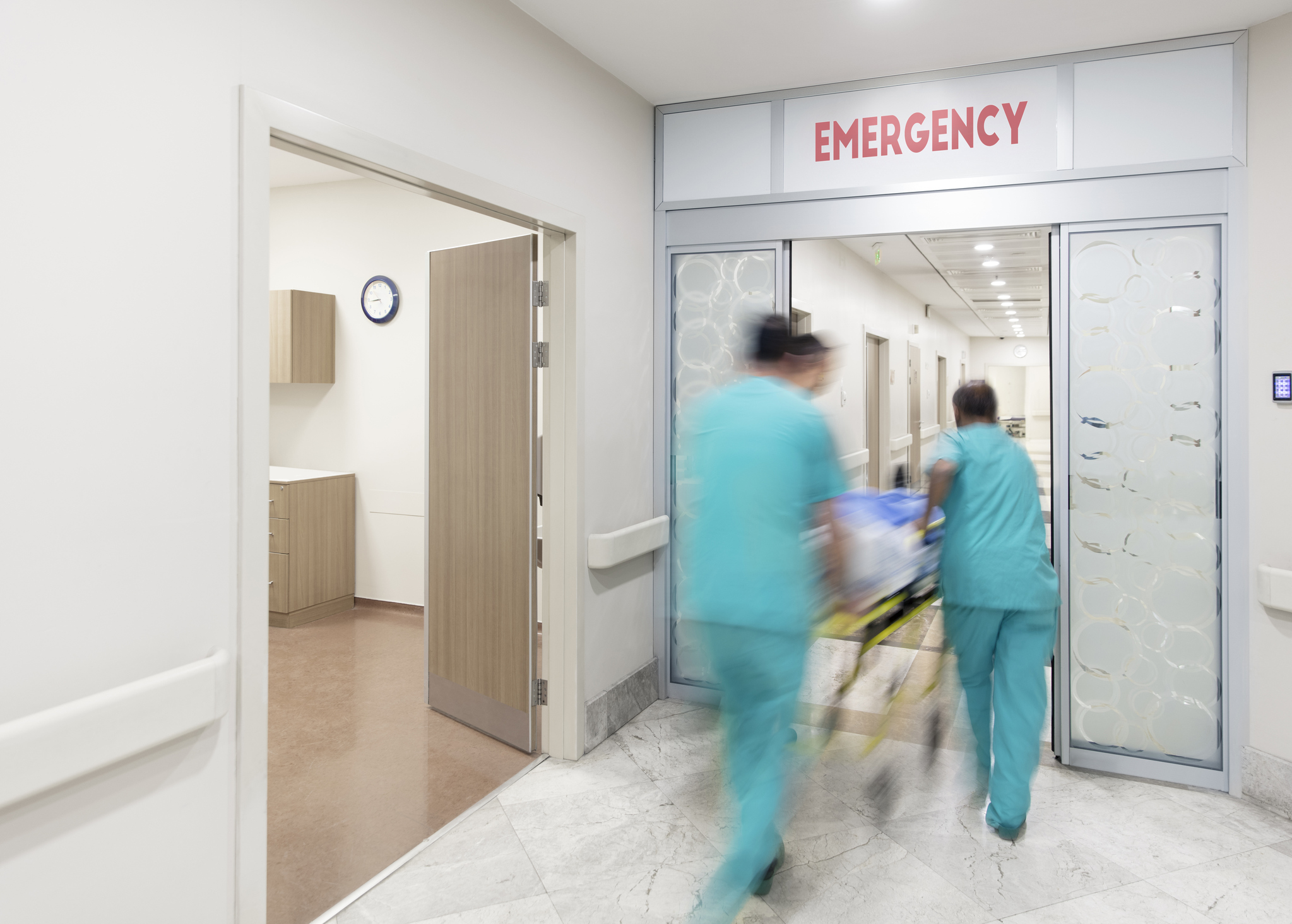
Understanding Critical Care and Emergency Medicine
Critical care focuses on managing life-threatening conditions; therefore, it involves specialized monitoring and treatment in intensive care units (ICUs). Moreover, emergency medicine deals with immediate diagnosis and stabilization of patients.
In addition, conditions such as heart attacks, strokes, severe infections, trauma, and respiratory failure require urgent care; therefore, hospitals must maintain readiness at all times. Consequently, critical care units operate 24/7 with trained professionals.
Furthermore, integrated emergency systems ensure quick decision-making; therefore, patients receive timely interventions. As a result, critical care plays a crucial role in saving lives and preventing long-term complications.
Advanced ICU Facilities and Infrastructure At Critical Care Hospital & Emergency Care Hospital in Indore
Modern ICU facilities improve patient outcomes; therefore, Swarajyam Hospital provides state-of-the-art critical care infrastructure. Moreover, the ICU includes advanced ventilators, monitoring systems, and life-support equipment.
In addition, continuous monitoring allows real-time tracking of vital parameters; therefore, doctors respond quickly to any changes. Consequently, patient safety remains a top priority.
Furthermore, strict infection control protocols protect patients with low immunity; therefore, complications reduce significantly. As a result, ICU care becomes safer and more effective.
24/7 Emergency Response System At Critical Care Hospital & Emergency Care Hospital in Indore
Emergency care requires immediate action; therefore, Swarajyam Hospital maintains a 24/7 emergency response system. Moreover, trained staff remain available round the clock to handle critical situations.
In addition, rapid triage ensures that patients receive priority-based treatment; therefore, life-threatening cases are managed without delay. Consequently, survival rates improve significantly.
Furthermore, ambulance and emergency transport services support quick patient transfer; therefore, treatment begins as early as possible. As a result, the hospital ensures efficient emergency management.
Multidisciplinary Team Approach At Critical Care Hospital & Emergency Care Hospital in Indore
Critical care depends on teamwork; therefore, Swarajyam Hospital follows a multidisciplinary approach. Moreover, specialists from cardiology, neurology, pulmonology, surgery, and critical care collaborate closely.
In addition, coordinated care improves diagnosis and treatment; therefore, patients receive comprehensive support. Consequently, outcomes become more effective and reliable.
Furthermore, teamwork ensures smooth communication; therefore, treatment plans remain consistent. As a result, patients experience seamless care during emergencies.
Management of Life-Threatening Conditions At Critical Care Hospital & Emergency Care Hospital in Indore
Critical care units handle various life-threatening conditions; therefore, hospitals must maintain readiness for diverse cases. Moreover, conditions such as cardiac arrest, stroke, sepsis, trauma, and organ failure require immediate attention.
In addition, advanced treatment protocols ensure effective management; therefore, doctors stabilize patients quickly. Consequently, complications reduce significantly.
Furthermore, early intervention improves recovery chances; therefore, patients benefit from timely care. As a result, critical care services play a vital role in saving lives.
Trauma and Accident Care Services At Critical Care Hospital & Emergency Care Hospital in Indore
Trauma cases require rapid response; therefore, Swarajyam Hospital provides specialized trauma care services. Moreover, the hospital manages road accidents, falls, and severe injuries effectively.
In addition, emergency teams perform immediate assessment and stabilization; therefore, patients receive prompt treatment. Consequently, survival rates improve.
Furthermore, advanced surgical support ensures complete care; therefore, patients recover faster. As a result, trauma services contribute significantly to emergency care.
Post-Critical Care and Rehabilitation At Critical Care Hospital & Emergency Care Hospital in Indore
Recovery continues after stabilization; therefore, post-critical care becomes essential. Moreover, doctors provide rehabilitation services to help patients regain strength.
In addition, physiotherapy and nutritional support improve recovery; therefore, patients return to normal life gradually. Consequently, long-term outcomes improve.
Furthermore, follow-up care ensures continuous monitoring; therefore, doctors detect complications early. As a result, patients achieve better health and quality of life.
Importance of Early Intervention in Emergencies At Critical Care Hospital & Emergency Care Hospital in Indore
Early intervention saves lives; therefore, patients must seek medical help immediately during emergencies. Moreover, delays may lead to severe complications or loss of life.
In addition, recognizing symptoms such as chest pain, breathing difficulty, and unconsciousness becomes crucial; therefore, timely action improves survival chances. Consequently, awareness plays a vital role in emergency care.
Furthermore, quick response reduces treatment complexity; therefore, patients recover faster. As a result, early intervention remains the key to effective critical care.
Why Choose Swarajyam Hospital for Critical & Emergency Care in Indore
Patients prefer Swarajyam Super & Multispeciality Hospital because it combines advanced technology, expert staff, and efficient emergency systems. Moreover, the hospital provides comprehensive critical care under one roof.
In addition, trained medical teams ensure rapid response; therefore, patients receive immediate and effective treatment. Consequently, outcomes remain consistent and reliable.
Furthermore, the hospital continuously upgrades its infrastructure; therefore, patients benefit from the latest advancements in emergency medicine. As a result, Swarajyam Hospital stands as a trusted choice for critical care services.
Conclusion – Trusted Critical Care & Emergency Hospital in Indore
Critical care and emergency services require speed, expertise, and coordination; therefore, choosing the right hospital becomes essential. Moreover, advanced facilities and trained staff ensure better survival rates and recovery.
For those searching for a reliable critical care hospital & emergency care hospital in Indore, Swarajyam Super & Multispeciality Hospital provides comprehensive services with modern infrastructure and expert teams.
Ultimately, early intervention, continuous monitoring, and dedicated care help patients achieve better recovery, improved health outcomes, and long-term well-being.
Comprehensive ICU Care in Indore
Critical illnesses require constant monitoring and rapid intervention; therefore, choosing a reliable ICU hospital in Indore becomes essential for saving lives and ensuring recovery. Moreover, intensive care units play a vital role in managing life-threatening conditions with precision and expertise. As a result, patients benefit from continuous supervision and advanced medical support.
At Swarajyam Super & Multispeciality Hospital, the ICU functions as a high-dependency environment where trained medical staff deliver round-the-clock care. Furthermore, the hospital integrates advanced technology with skilled professionals; therefore, every critical patient receives timely and effective treatment. Consequently, survival rates improve and complications reduce significantly.
In addition, the hospital emphasizes rapid response and coordinated care; therefore, ICU services remain efficient and reliable. As a result, Swarajyam Hospital stands as a trusted center for intensive care in Indore.
Understanding the Role of an ICU
An intensive care unit manages patients with severe and unstable conditions; therefore, it provides specialized monitoring and treatment. Moreover, ICU care supports vital functions such as breathing, circulation, and organ performance.
In addition, patients admitted to ICU often require ventilator support, medication management, and continuous observation; therefore, trained staff remain present at all times. Consequently, doctors can respond immediately to any changes in patient condition.
Furthermore, ICU care plays a crucial role in stabilizing patients after surgery, trauma, or critical illness; therefore, it ensures better recovery outcomes. As a result, intensive care becomes a cornerstone of modern healthcare.
Advanced ICU Infrastructure and Equipment
Modern ICUs rely on advanced technology; therefore, Swarajyam Hospital provides state-of-the-art equipment to manage critical cases effectively. Moreover, the ICU includes ventilators, cardiac monitors, infusion pumps, and life-support systems.
In addition, continuous monitoring systems track vital parameters in real time; therefore, doctors detect changes instantly. Consequently, immediate intervention becomes possible.
Furthermore, infection control protocols maintain a sterile environment; therefore, patients with compromised immunity remain protected. As a result, advanced infrastructure enhances patient safety and treatment success.
Skilled Medical Team and Staff Coordination
ICU care depends on a highly trained team; therefore, Swarajyam Hospital employs experienced doctors, nurses, and support staff. Moreover, each team member plays a specific role in patient care.
In addition, continuous communication ensures coordinated treatment; therefore, patient management remains consistent. Consequently, medical errors reduce and outcomes improve.
Furthermore, staff undergo regular training; therefore, they stay updated with the latest medical practices. As a result, patients receive high-quality and efficient care.
Management of Critical Medical Conditions
ICU units handle a wide range of life-threatening conditions; therefore, hospitals must remain prepared for diverse emergencies. Moreover, conditions such as cardiac arrest, stroke, severe infections, respiratory failure, and organ dysfunction require immediate attention.
In addition, advanced treatment protocols ensure effective management; therefore, doctors stabilize patients quickly. Consequently, complications reduce significantly.
Furthermore, early intervention improves recovery chances; therefore, ICU care becomes essential for survival. As a result, patients receive timely and life-saving treatment.
Post-Surgical Intensive Care
Patients often require ICU support after major surgeries; therefore, post-operative monitoring becomes crucial. Moreover, ICU staff manage pain, monitor vital signs, and prevent complications.
In addition, continuous observation allows early detection of issues; therefore, doctors take immediate action. Consequently, recovery becomes smoother and safer.
Furthermore, structured post-surgical care supports healing; therefore, patients regain strength faster. As a result, ICU services improve surgical outcomes significantly.
Infection Control and Patient Safety
Patient safety remains a top priority in ICU settings; therefore, hospitals follow strict hygiene protocols. Moreover, infection control measures reduce the risk of hospital-acquired infections.
In addition, staff use protective equipment and maintain sterile conditions; therefore, patient safety improves. Consequently, complications decrease significantly.
Furthermore, continuous monitoring ensures accurate medication and treatment delivery; therefore, errors remain minimal. As a result, ICU care becomes safer and more effective.
Family Support and Communication
Critical care situations affect both patients and families; therefore, hospitals provide emotional support and clear communication. Moreover, doctors update families regularly about patient condition and treatment progress.
In addition, counseling services help families cope with stress; therefore, they feel more confident and informed. Consequently, trust between patients and healthcare providers strengthens.
Furthermore, transparent communication ensures better understanding; therefore, families remain involved in decision-making. As a result, patient care becomes more holistic.
Rehabilitation and Recovery After ICU Stay
Recovery continues even after ICU discharge; therefore, rehabilitation becomes essential. Moreover, patients may require physiotherapy, nutritional support, and follow-up care.
In addition, structured rehabilitation programs help restore strength and function; therefore, patients return to normal life gradually. Consequently, long-term outcomes improve.
Furthermore, regular follow-ups ensure monitoring of recovery; therefore, doctors detect complications early. As a result, patients achieve better health and quality of life.
Importance of Timely ICU Admission
Timely ICU admission can save lives; therefore, early recognition of critical conditions becomes crucial. Moreover, symptoms such as severe breathing difficulty, unconsciousness, or chest pain require immediate attention.
In addition, early intervention reduces complications; therefore, patients recover faster. Consequently, survival rates improve significantly.
Furthermore, awareness about emergency symptoms helps patients seek help promptly; therefore, delays are avoided. As a result, timely ICU care ensures better outcomes.
Conclusion – Trusted ICU Care in Indore
ICU services require expertise, technology, and coordinated care; therefore, choosing the right hospital becomes essential. Moreover, continuous monitoring and rapid intervention ensure better survival and recovery.
For those searching for a reliable ICU hospital in Indore, Swarajyam Super & Multispeciality Hospital provides advanced intensive care with dedicated staff and modern infrastructure.
Ultimately, timely admission, expert care, and continuous support help patients achieve better recovery, improved health outcomes, and long-term well-being
FAQs – ICU Hospital Indore & Critical Care Services
What is an ICU and when is it required?
An ICU (Intensive Care Unit) provides specialized care for patients with life-threatening conditions. Doctors recommend ICU admission when a patient requires continuous monitoring, ventilator support, or advanced life-saving treatment.
What types of patients are treated in the ICU?
ICUs treat patients with conditions such as cardiac arrest, stroke, severe infections, trauma, respiratory failure, and post-surgical complications. Moreover, critical care teams manage organ failure and emergency situations effectively.
Is ICU care available 24/7?
Yes, ICU services operate 24/7. Doctors, nurses, and support staff remain available at all times; therefore, patients receive immediate and continuous care without delay.
How long does a patient stay in the ICU?
The duration depends on the patient’s condition. Some patients require short-term monitoring, whereas others may need extended care. However, doctors regularly assess progress and adjust treatment accordingly.
Are family members allowed to visit ICU patients?
Hospitals usually allow limited visiting hours to maintain a sterile and controlled environment. Moreover, staff ensure that patient safety and infection control remain a priority.
What equipment is used in an ICU?
ICUs use advanced equipment such as ventilators, cardiac monitors, infusion pumps, and life-support systems. Therefore, doctors can continuously track vital signs and respond quickly to any changes.
How do doctors monitor patients in the ICU?
Doctors monitor heart rate, oxygen levels, blood pressure, and other vital parameters continuously. Consequently, they detect complications early and provide immediate treatment.
Is ICU treatment expensive?
ICU care may involve higher costs due to advanced equipment and specialized staff. However, early treatment often prevents complications and reduces overall medical expenses in the long term.
What happens after ICU discharge?
After ICU discharge, patients may require ward care, rehabilitation, or follow-up consultations. Therefore, doctors provide a recovery plan to ensure smooth healing.
During medical emergencies, immediate action can save lives. Therefore, consulting a trusted ICU facility at the right time becomes essential for effective treatment and recovery.
At Swarajyam Super & Multispeciality Hospital, patients receive advanced intensive care supported by experienced doctors, trained nurses, and modern infrastructure. Moreover, the hospital ensures continuous monitoring and rapid response for all critical cases.
How to Access ICU Services
In emergency situations, patients can directly visit the hospital or use ambulance services for immediate admission. Moreover, prior consultation is not required in critical cases; therefore, treatment begins without delay.
What to Expect During ICU Admission
During admission, the medical team evaluates the patient’s condition immediately. Then, they initiate life-saving treatment and continuous monitoring. Furthermore, doctors communicate with family members and explain the treatment plan clearly.
As a result, families stay informed and confident about the care being provided.
Why Choose Swarajyam Hospital
Patients trust Swarajyam Super & Multispeciality Hospital because it offers advanced ICU facilities, expert staff, and efficient emergency response systems. Moreover, the hospital follows strict safety protocols to ensure patient well-being.
Consequently, patients receive reliable and high-quality critical care services under one roof.