Swarajyam Hospital | Super Multispeciality Hospital

What Is Emergency & Critical Care?
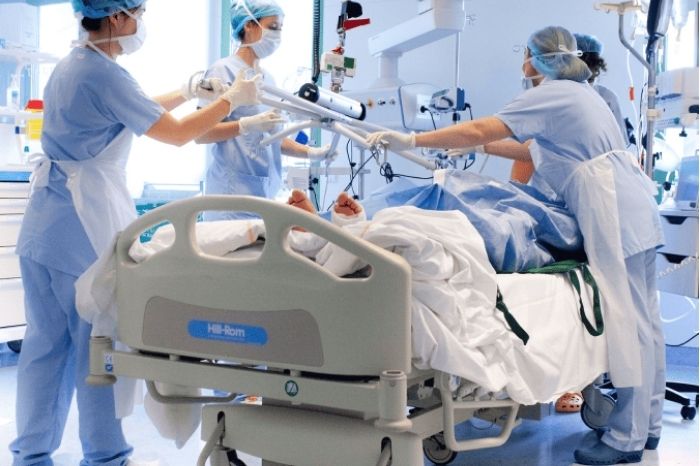
Types of Emergency & Critical Care Services
1. Medical Emergency Care
Provides immediate assessment and treatment for sudden illnesses, including severe infections, allergic reactions, seizures and acute medical complications.
2. Trauma and Accident Care
Focuses on the initial assessment, stabilisation and treatment of patients with road traffic injuries, fractures, head injuries, burns and other traumatic emergencies.
3. Cardiac Emergency Care
Provides urgent evaluation and treatment for suspected heart attacks, severe chest pain, dangerous heart rhythm disturbances and other acute cardiovascular conditions.
4. Neurological Emergency Care
Supports patients experiencing stroke symptoms, seizures, sudden loss of consciousness, severe head injuries and other acute neurological problems.
5. Intensive Care Unit (ICU)
Provides specialised monitoring and treatment for critically ill patients who may require ventilators, advanced medicines, organ support and continuous assessment.
6. Respiratory Emergency Care
Focuses on severe breathing difficulties caused by conditions such as asthma attacks, pneumonia, respiratory failure and other serious lung problems.
7. Emergency Surgical Care
Supports patients who need urgent surgical evaluation and procedures for conditions such as internal injuries, acute abdominal problems or severe trauma.
8. Paediatric and Neonatal Critical Care
Provides specialised emergency assessment and intensive treatment for critically ill infants, newborns and children, depending on the hospital’s facilities.
Causes of Medical Emergencies
Medical emergencies may develop suddenly due to illness, injury or complications of an existing health condition.
Common causes include:
Heart attacks and other acute cardiovascular conditions
Stroke and sudden neurological complications
Road accidents, falls and workplace injuries
Severe infections and sepsis
Acute asthma attacks and respiratory failure
Severe allergic reactions
Uncontrolled bleeding and major trauma
Poisoning and accidental exposure to harmful substances
Severe dehydration and electrolyte disturbances
Complications during pregnancy and childbirth
Uncontrolled diabetes and other metabolic emergencies
Early medical assessment is important because some emergency conditions can become life-threatening without prompt treatment.
Symptoms and Warning Signs of an Emergency
Recognising emergency warning signs can help patients and caregivers seek medical attention without delay.
Important warning signs include:
Sudden or severe chest pain
Difficulty breathing or shortness of breath
Sudden weakness or numbness, particularly on one side of the body
Facial drooping or difficulty speaking
Uncontrolled bleeding
Loss of consciousness or sudden confusion
Persistent or severe seizures
Severe abdominal pain
Major injuries, burns or suspected fractures
Signs of a severe allergic reaction, including swelling of the tongue or throat
High fever accompanied by confusion, extreme weakness or other signs of serious illness
Prevention of Medical Emergencies
Not every emergency can be prevented, but certain measures can reduce health risks and improve preparedness.
Schedule regular health check-ups: Monitor blood pressure, blood sugar and other health indicators as recommended by your doctor.
Manage existing medical conditions: Follow prescribed treatment plans for diabetes, heart disease, asthma and other chronic illnesses.
Maintain a healthy lifestyle: Eat a balanced diet, remain physically active and avoid tobacco.
Follow road safety measures: Wear seat belts and helmets and follow traffic regulations.
Prevent falls and injuries: Keep home and workplace environments safe, particularly for children and older adults.
Take medicines responsibly: Follow medical instructions and store medicines and chemicals safely.
Recognise warning signs early: Learn to identify symptoms of heart attacks, strokes and severe allergic reactions.
Prepare for emergencies: Keep essential medical information and emergency contact numbers accessible.
Prevention and preparedness can reduce certain risks, but suspected medical emergencies always require prompt professional evaluation.
Emergency & Critical Care Treatment Services
Our emergency and critical care services focus on rapid assessment, stabilisation, diagnosis and treatment according to each patient’s condition and medical needs.
Emergency Medical Assessment
Initial evaluation of symptoms, medical history and vital signs to identify urgent conditions and determine the appropriate level of care.
Emergency Stabilisation and Resuscitation
Immediate interventions to support breathing, circulation and consciousness in patients with life-threatening conditions. Resuscitation may include CPR and other advanced life-support measures when indicated.
Advanced Cardiac Life Support
Emergency management of cardiac arrest and certain dangerous heart rhythm disturbances by appropriately trained healthcare professionals.
Trauma and Injury Management
Assessment and stabilisation of injuries, bleeding control, wound care, fracture management and coordination with surgical specialists when necessary.
Emergency Diagnostic Services
Investigations such as blood tests, ECG, X-rays, ultrasound or CT scans may be used according to the patient’s symptoms and clinical requirements.
Intensive Care and Organ Support
Continuous monitoring and specialised treatment for critically ill patients. Depending on clinical needs and available facilities, care may include ventilatory support, intravenous medicines and support for failing organs.
Emergency Infection Management
Assessment and treatment of severe infections, including suspected sepsis, with timely medicines, fluids and other interventions as clinically appropriate.
Multidisciplinary Critical Care
Coordination among emergency physicians, intensivists, nurses, surgeons and other specialists to support comprehensive treatment and ongoing monitoring.
Recovery After Emergency & Critical Care
Recovery depends on the underlying condition, the severity of illness or injury, the treatment provided and the patient’s overall health.
Initial Stabilisation
The medical team works to stabilise vital functions, manage immediate complications and treat the underlying emergency.
Intensive Monitoring
Patients who require critical care may receive continuous monitoring of breathing, circulation, consciousness and organ function until their condition improves.
Step-Down Care
When patients no longer require intensive support, they may be transferred to a general ward or another appropriate care setting for continued treatment.
Medication and Follow-Up
Patients should take prescribed medicines as directed, attend follow-up appointments and follow discharge instructions. Medication changes should be made only with medical guidance.
Why Choose Professional Emergency & Critical Care Services?
Rapid assessment of urgent medical conditions
Emergency stabilisation and life-support interventions when required
Continuous monitoring for critically ill patients
Coordinated treatment by relevant medical specialists
Access to diagnostic investigations according to clinical needs
Intensive care and recovery support, depending on hospital facilities
Patient and family guidance throughout treatment and discharge planning