Swarajyam Hospital | Super Multispeciality Hospital

What Is Surgical Oncology?
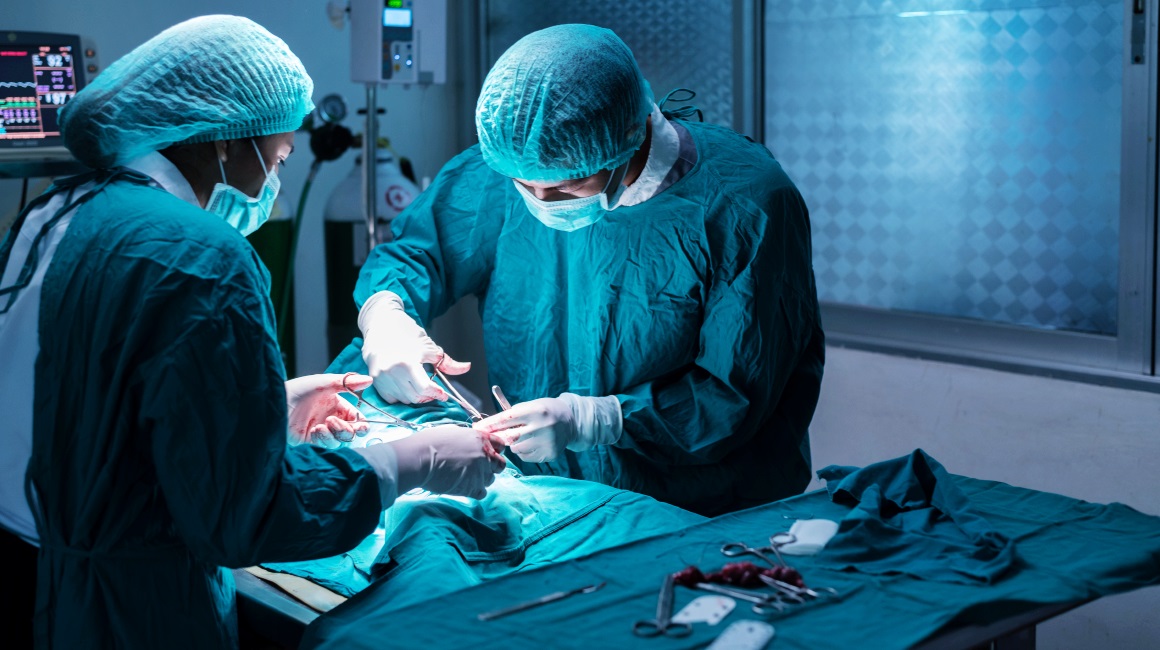
Depending on the diagnosis, surgical treatment may involve removing a tumour, nearby affected tissues, selected lymph nodes or an entire affected organ. In some cases, surgery may be performed to reconstruct tissues, relieve cancer-related symptoms or obtain samples for accurate diagnosis.
Early evaluation and coordinated cancer care can help patients understand their treatment options and make informed decisions.
Types of Surgical Oncology
1. Breast Cancer Surgery
Breast cancer surgery may involve lumpectomy, mastectomy or selected lymph node procedures, depending on the tumour, disease stage and individual treatment plan. Breast reconstruction may be considered for suitable patients.
2. Gastrointestinal Cancer Surgery
This speciality manages cancers affecting the stomach, colon, rectum, small intestine and other digestive organs. Surgical options depend on tumour location, spread and whether the cancer can be safely removed.
3. Head and Neck Cancer Surgery
Surgical oncology may treat selected cancers of the mouth, tongue, throat, thyroid and other head and neck structures. Procedures may include tumour removal, lymph node surgery and reconstructive surgery when required.
4. Gynaecological Cancer Surgery
Surgical treatment may be used for certain cancers affecting the uterus, ovaries, cervix and other female reproductive organs. The procedure depends on the cancer type, stage and fertility considerations.
5. Urological Cancer Surgery
Surgical oncologists and urological specialists may manage selected cancers affecting the kidney, bladder, prostate and other parts of the urinary system.
6. Thoracic Cancer Surgery
Thoracic cancer surgery may be recommended for selected cancers affecting the lungs, chest wall and other structures within the chest. Treatment suitability depends on tumour characteristics, disease extent and the patient’s ability to tolerate surgery.
7. Soft Tissue and Bone Tumour Surgery
This area focuses on selected sarcomas and other tumours affecting muscles, connective tissues and bones. Treatment may require specialised surgical planning and reconstruction.
8. Minimally Invasive and Robotic-Assisted Cancer Surgery
For suitable patients and procedures, minimally invasive techniques using small incisions or robotic assistance may be considered. Their suitability depends on the cancer type, tumour location, surgical goals and available expertise.
Symptoms and Warning Signs of Cancer
Cancer symptoms depend on the affected organ, tumour size and whether the disease has spread. Some cancers may cause no noticeable symptoms during their early stages.
Possible warning signs include:
A new lump or unusual swelling
Unexplained weight loss
Persistent fatigue or weakness
Unusual bleeding or discharge
A persistent cough or changes in the voice
Difficulty swallowing or persistent digestive problems
Changes in bowel or bladder habits
A wound or mouth ulcer that does not heal
Changes in the size, shape or colour of a mole
Persistent pain without an obvious explanation
These symptoms can also result from non-cancerous conditions. However, persistent, unexplained or worsening symptoms should be evaluated by a qualified healthcare professional. Early assessment can help identify the cause and determine whether further investigations are needed.
Prevention and Early Detection of Cancer
Not all cancers can be prevented, but certain lifestyle measures and screening programmes can reduce the risk of some cancers or help detect them earlier.
Avoid tobacco: Do not smoke or use smokeless tobacco products.
Limit alcohol: Avoiding alcohol can reduce the risk of several alcohol-related cancers.
Maintain a healthy lifestyle: Engage in regular physical activity and follow a balanced diet.
Protect your skin: Use appropriate sun protection and avoid excessive ultraviolet exposure.
Consider vaccination: HPV and hepatitis B vaccination can help prevent certain infections associated with cancer.
Follow recommended screening: Participate in appropriate breast, cervical, colorectal and other cancer screening programmes based on age, risk and medical guidance.
Understand family history: Discuss inherited cancer risk with a healthcare professional when close relatives have had certain cancers.
Seek timely medical evaluation: Do not ignore persistent lumps, unexplained bleeding or other concerning symptoms.
Screening recommendations vary according to individual risk and local medical guidelines. Screening is different from diagnostic testing and is not suitable for every cancer type.
Surgical Oncology Treatment and Procedures
Our Surgical Oncology services focus on evaluating cancer, planning appropriate surgical treatment and supporting patients throughout their cancer care journey.
Cancer Consultation and Surgical Evaluation
The surgical oncologist reviews symptoms, medical history, previous investigations and overall health to assess the diagnosis and discuss appropriate treatment options.
Cancer Diagnosis and Biopsy
A biopsy involves collecting a tissue sample for laboratory examination. Depending on the suspected cancer, a biopsy may be performed using a needle, an endoscopic technique or a surgical procedure.
Tumour Removal Surgery
Surgery may be performed to remove a cancerous tumour along with an appropriate margin of surrounding tissue when clinically indicated. The extent of surgery depends on tumour location, cancer type and treatment goals.
Lymph Node Surgery
Selected lymph nodes may be sampled or removed to evaluate whether cancer has spread and to guide further treatment. The approach varies by cancer type and stage.
Minimally Invasive Cancer Surgery
Laparoscopic or other minimally invasive techniques may be suitable for selected procedures. Potential benefits and risks are discussed with the patient before treatment.
Reconstructive Surgery
Reconstructive procedures may help restore appearance, structure or function after cancer removal. The need for reconstruction depends on the affected body area and the extent of surgery.
Palliative and Symptom-Relieving Surgery
In selected cases, surgery may help relieve complications such as obstruction, bleeding or pressure caused by a tumour. The purpose and expected benefits are discussed as part of the treatment plan.
Multidisciplinary Cancer Treatment
Cancer care may involve coordination between surgical oncologists, medical oncologists, radiation oncologists, radiologists, pathologists and other specialists. Depending on the diagnosis, treatment may include surgery, chemotherapy, radiation therapy, targeted therapy, immunotherapy or a combination of approaches.
Recovery After Cancer Surgery
Recovery after surgical oncology procedures varies depending on the type of surgery, cancer stage, treatment plan and the patient’s general health.
Immediate Post-Surgical Care
After surgery, the medical team monitors vital signs, pain, wound condition and other possible complications. Some patients may need observation in an intensive care unit, depending on the procedure and their condition.
Pain and Symptom Management
Prescribed medicines and supportive measures help manage post-operative pain, nausea and other symptoms. Follow the surgical team’s instructions and report pain that becomes severe or continues to worsen.
Wound Care and Infection Prevention
Keep the surgical wound clean and follow the instructions provided by your healthcare team. Contact your doctor for increasing redness, discharge, fever, wound opening or other signs of infection.
Nutrition and Hydration
A balanced diet and adequate fluid intake support healing. Some patients may need a specialised diet or nutritional support following gastrointestinal or other major cancer surgeries.
Gradual Return to Daily Activities
Rest and gradually resume movement and daily activities as advised. Physiotherapy or rehabilitation may be recommended after certain procedures to improve strength, mobility and independence.
Follow-Up and Pathology Review
Follow-up appointments allow the surgeon to review healing and discuss the final pathology report. Further treatment may be recommended depending on the findings, surgical margins, lymph node involvement and other cancer-related factors.
Long-Term Monitoring
Regular follow-up visits and recommended investigations help monitor recovery and check for possible recurrence or treatment-related complications. The schedule depends on the cancer type and individual treatment plan.