Swarajyam Hospital | Super Multispeciality Hospital

Joint Replacement Surgery Specialist in Burhanpur | Swarajyam Super & Multispeciality Hospital
Joint pain is one of the most common health problems affecting adults and elderly individuals today. With increasing age, lifestyle changes, obesity, previous injuries, and degenerative diseases such as arthritis, the joints—especially knees and hips—gradually lose their natural strength and flexibility. When this damage becomes severe, patients often experience constant pain, stiffness, swelling, and difficulty in performing daily activities such as walking, sitting, climbing stairs, or even standing for long periods.Joint Replacement Surgery Specialist in Burhanpur
In such advanced stages, medications, injections, and physiotherapy may provide only temporary relief. This is where joint replacement surgery becomes a highly effective and long-term solution. It helps restore mobility, eliminate chronic pain, and significantly improve quality of life.
In Burhanpur, the demand for advanced orthopedic care is steadily increasing as more patients seek reliable solutions for chronic joint disorders. Among all orthopedic procedures, knee replacement surgery is the most commonly performed due to the high prevalence of osteoarthritis and age-related joint degeneration.
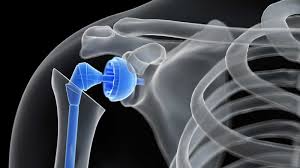
Understanding Joint Replacement Surgery | Joint Replacement Surgery Specialist in Burhanpur
Joint replacement surgery is a medical procedure in which a damaged or worn-out joint is replaced with an artificial implant known as a prosthesis. This prosthetic joint is designed to replicate the natural movement of a healthy joint, allowing smooth and pain-free motion.
The most commonly replaced joints include the knee and hip, although shoulder and other joints can also be replaced depending on medical requirements. The main objective of this surgery is to relieve pain, improve joint function, and enhance overall mobility.
Joint replacement is typically recommended when the joint damage becomes irreversible and significantly affects the patient’s daily life. It is considered one of the most successful orthopedic procedures in modern medicine, offering long-lasting relief and improved quality of life.
When is Knee Replacement Required?
Knee replacement surgery is advised when the knee joint is severely damaged and non-surgical treatments are no longer effective. The most common condition leading to knee replacement is osteoarthritis, where the protective cartilage in the knee gradually wears away, causing bones to rub against each other.
Patients may require knee replacement when they experience:
Persistent and severe knee pain even at rest
Difficulty in walking, sitting, or climbing stairs
Morning stiffness and reduced joint flexibility
Swelling and inflammation in the knee
Limited mobility affecting daily activities
No improvement with medications or physiotherapy
Other causes include rheumatoid arthritis, traumatic injuries, cartilage damage, and age-related degeneration. When these conditions progress, knee replacement surgery becomes the most effective long-term solution.
Types of Knee Replacement Surgery
There are mainly two types of knee replacement procedures performed based on the severity of joint damage:
Total Knee Replacement (TKR)
In this procedure, the entire knee joint is replaced with an artificial implant. It is recommended for patients with extensive joint damage affecting all parts of the knee.
Partial Knee Replacement (PKR)
In this procedure, only the damaged portion of the knee is replaced, while healthy bone and cartilage are preserved. It is suitable for patients with localized damage in one part of the knee.
The choice of procedure depends on factors such as age, severity of damage, activity level, and overall health condition of the patient. A detailed evaluation is performed before deciding the best surgical approach.
Advanced Orthopedic Infrastructure at Swarajyam Hospital
Swarajyam Super & Multispeciality Hospital is equipped with modern orthopedic infrastructure designed to ensure safe and precise surgical outcomes.
The hospital features advanced modular operation theatres, digital imaging systems, and high-precision surgical instruments. These facilities allow orthopedic surgeons to perform complex joint replacement procedures with accuracy and safety.
Pre-operative evaluation includes detailed diagnostic tests such as X-rays, MRI scans, and blood investigations to assess the condition of the joint and plan the surgery effectively.
Strict sterilization protocols and infection control measures are followed throughout the surgical process to ensure patient safety and minimize complications.
Procedure of Knee Replacement Surgery
Knee replacement surgery involves removing the damaged bone and cartilage from the knee joint and replacing them with artificial components made of metal and medical-grade plastic.
The procedure is performed under anesthesia, ensuring the patient remains comfortable and pain-free during surgery. The surgeon carefully aligns the implant to ensure proper movement and stability of the joint.
Once the implant is placed, the surgical site is closed, and the patient is shifted to recovery care for monitoring. Early movement is encouraged to promote faster healing and prevent stiffness.
The success of the surgery depends on precise surgical technique, post-operative care, and patient compliance with rehabilitation programs.
Recovery After Knee Replacement Surgery | Joint Replacement Surgery Specialist in Burhanpur
Recovery is a crucial phase that determines the overall success of knee replacement surgery. Most patients begin walking with support within a few days after surgery.
Physiotherapy plays a vital role in recovery, helping patients regain strength, flexibility, and balance. Exercises are gradually increased to improve joint movement and muscle strength.
Patients are advised to follow a structured rehabilitation plan, which includes regular exercises, pain management, and follow-up visits. Full recovery may take a few weeks to several months depending on individual health conditions.
With proper care, most patients experience significant pain relief and improved mobility after surgery.
Benefits of Knee Replacement Surgery
Knee replacement surgery offers several long-term benefits that significantly improve quality of life:
Permanent relief from chronic knee pain
Improved walking ability and mobility
Better joint stability and flexibility
Increased independence in daily activities
Long-lasting results with modern implants
Enhanced overall quality of life
Many patients are able to resume normal activities such as walking, climbing stairs, and light physical exercise after complete recovery.
Risks and Safety Measures | Joint Replacement Surgery Specialist in Burhanpur
Although knee replacement surgery is generally safe, it may carry some risks such as infection, blood clots, stiffness, or implant-related complications.
However, at Swarajyam Hospital, strict safety protocols, advanced surgical techniques, and experienced specialists significantly reduce these risks.
Continuous monitoring during and after surgery ensures early detection and management of any complications, ensuring patient safety at every stage.
Importance of Rehabilitation and Physiotherapy
Rehabilitation is an essential part of recovery after knee replacement surgery. Without proper physiotherapy, patients may not achieve full mobility even after successful surgery.
Rehabilitation programs include muscle strengthening exercises, walking training, joint flexibility exercises, and pain management techniques.
At Swarajyam Hospital, personalized physiotherapy plans are designed for each patient based on their condition and recovery progress. This ensures faster healing and better long-term results.
Patient-Centered Orthopedic Care | Joint Replacement Surgery Specialist in Burhanpur
Modern orthopedic care focuses on individualized treatment plans. At Swarajyam Hospital, each patient receives personalized care based on their condition, age, lifestyle, and medical history.
Doctors provide detailed consultations, explain treatment options clearly, and guide patients through every stage of the surgical journey. This helps reduce anxiety and improves treatment outcomes.
Continuous follow-up ensures proper recovery and long-term joint health.
Why Choose Swarajyam Hospital - Joint Replacement Surgery Specialist in Burhanpur
Swarajyam Super & Multispeciality Hospital is a trusted center for joint replacement surgery due to its advanced infrastructure and expert orthopedic team.
The hospital offers:
Experienced joint replacement surgeons
Advanced modular operation theatres
Safe and sterile surgical environment
Comprehensive rehabilitation programs
Personalized patient care and support
This combination of expertise and technology ensures successful outcomes and long-term relief for patients.
Conclusion - Joint Replacement Surgery Specialist in Burhanpur
In conclusion, joint problems and knee pain can significantly affect daily life and reduce mobility. When conservative treatments fail, knee replacement surgery in Burhanpur becomes the most effective solution for restoring movement and eliminating pain.
Ultimately, it remains a reliable destination for patients seeking the best joint replacement surgery specialist in Burhanpur, helping them regain independence, mobility, and a pain-free life.
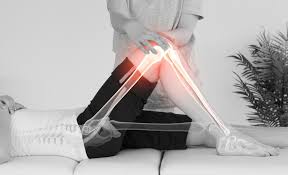
Introduction: Knee Replacement Burhanpur
Knee pain is one of the most common orthopedic problems affecting adults and elderly individuals. With increasing age, wear and tear of the knee joint becomes natural, but in many cases, this degeneration progresses to a level where daily activities become painful and difficult. Conditions such as osteoarthritis, rheumatoid arthritis, obesity-related joint stress, and old injuries are major causes of severe knee damage. When non-surgical treatments like medicines, physiotherapy, and injections no longer provide relief, knee replacement surgery becomes the most effective long-term solution.
In Burhanpur, the need for advanced orthopedic care is rising due to lifestyle changes, aging population, and increased awareness about joint health. Patients today are looking for safe, effective, and long-lasting solutions that restore mobility and eliminate chronic pain.
Swarajyam Super & Multispeciality Hospital offers advanced knee replacement services in Burhanpur, combining modern surgical techniques, experienced orthopedic specialists, and structured rehabilitation programs. The hospital focuses on improving mobility, reducing pain, and helping patients return to an active and independent lifestyle.
Understanding Knee Joint Problems | Joint Replacement Surgery Specialist in Burhanpur
The knee is one of the most complex and heavily used joints in the human body. It consists of bones, cartilage, ligaments, and fluids that work together to allow smooth movement. The cartilage acts as a cushion, preventing bones from rubbing against each other.
When this cartilage gets damaged due to age or disease, friction increases inside the joint. This leads to inflammation, pain, stiffness, and reduced flexibility. Over time, the joint structure begins to deteriorate further, making movement increasingly difficult.
Common knee disorders include osteoarthritis, which is the most prevalent cause of knee replacement. Rheumatoid arthritis, an autoimmune condition, also causes severe joint inflammation. In addition, injuries from accidents or sports activities can damage ligaments and cartilage, leading to long-term joint instability.
If these conditions are not treated properly in early stages, they gradually progress to severe joint destruction, where surgical intervention becomes the only effective option.
When is Knee Replacement Needed?
Knee replacement surgery is recommended only when all conservative treatments fail to provide relief. Doctors usually suggest surgery after a detailed evaluation of symptoms, imaging reports, and patient history.
Patients typically require knee replacement when they experience persistent and severe pain that does not improve with medication. This pain may occur even during rest, affecting sleep and daily comfort.
Another major indication is difficulty in performing basic activities such as walking, sitting, or climbing stairs. Patients often feel that their knee “locks” or becomes stiff after inactivity.
Swelling and inflammation that persist for long periods also indicate advanced joint damage. In many cases, deformity of the knee joint develops, causing visible changes in leg alignment.
When these symptoms begin to affect independence and quality of life, knee replacement becomes the most reliable and long-term solution.
Types of Knee Replacement Surgery | Joint Replacement Surgery Specialist in Burhanpur
There are two main types of knee replacement surgeries, each designed based on the severity of joint damage.
Total Knee Replacement (TKR)
Total knee replacement is performed when the entire joint is severely damaged. In this procedure, all damaged surfaces of the knee joint are removed and replaced with an artificial implant. This implant is designed to replicate natural movement and provide long-term pain relief. It is the most commonly performed type of knee replacement surgery.
Partial Knee Replacement (PKR)
Partial knee replacement is suitable for patients where only one part of the knee is damaged. In this procedure, only the affected portion is replaced, while healthy bone and cartilage are preserved. This leads to quicker recovery and more natural joint movement.
The selection between TKR and PKR depends on the patient’s age, severity of damage, activity level, and overall health condition.
Advanced Knee Replacement Facilities in Burhanpur
Swarajyam Super & Multispeciality Hospital is equipped with advanced orthopedic infrastructure designed to ensure precision, safety, and successful surgical outcomes.
The hospital features modern modular operation theatres that maintain sterile conditions to reduce infection risk. Advanced imaging systems such as digital X-rays and MRI scanners help in detailed pre-surgical planning.
Highly specialized surgical instruments and implants are used to ensure accurate alignment and long-lasting results. The hospital also follows strict infection control protocols, including sterilization and air purification systems in operation theatres.
Pre-operative assessment is thorough and includes physical examination, diagnostic imaging, blood tests, and cardiac evaluation when required. This ensures that the patient is fully prepared for surgery.
Procedure of Knee Replacement Surgery | Joint Replacement Surgery Specialist in Burhanpur
Knee replacement surgery is performed under anesthesia to ensure complete comfort for the patient. The procedure begins with careful removal of damaged cartilage and bone from the knee joint.
The surgeon then prepares the bone surfaces to fit the artificial implant. The implant is carefully positioned to replicate natural joint movement and ensure stability.
Once the implant is securely fixed, the surgical area is closed and dressed. The patient is then moved to recovery for close monitoring.
In most cases, early movement is encouraged within 24 to 48 hours after surgery. This helps prevent stiffness and promotes faster recovery.
Recovery After Knee Replacement Surgery
Recovery after knee replacement is a gradual but highly rewarding process. Most patients begin walking with support within a few days after surgery.
Physiotherapy is initiated early to improve joint movement and muscle strength. Exercises focus on bending the knee, strengthening leg muscles, and improving balance.
Over the next few weeks, mobility gradually improves, and patients regain independence in daily activities. Full recovery may take several months depending on age, health condition, and rehabilitation efforts.
With proper care and regular physiotherapy, patients experience long-term pain relief and significantly improved quality of life.
Importance of Physiotherapy and Rehabilitation
Rehabilitation is one of the most important aspects of knee replacement recovery. Without proper physiotherapy, patients may not achieve full mobility even after successful surgery.
Physiotherapy programs include strengthening exercises, walking practice, flexibility training, and balance improvement exercises. These help restore natural movement and prevent stiffness.
At Swarajyam Hospital, each patient receives a customized rehabilitation plan based on their condition and recovery progress. This ensures faster healing and better long-term results.
Conclusion - Joint Replacement Surgery Specialist in Burhanpur
In conclusion, knee joint problems can severely impact mobility, independence, and quality of life. When conservative treatments fail, knee replacement surgery in Burhanpur becomes the most effective solution for restoring movement and eliminating chronic pain.
Swarajyam Super & Multispeciality Hospital offers advanced knee replacement treatment supported by modern technology, skilled orthopedic surgeons, and structured rehabilitation programs. The hospital ensures safe surgery, faster recovery, and long-term improvement in joint function.
Ultimately, it remains a trusted destination for patients seeking the best knee replacement specialist in Burhanpur, helping them regain mobility, confidence, and a pain-free life.
Frequently Asked Questions - Joint Replacement Surgery Specialist in Burhanpur
1. What is joint replacement surgery?
Joint replacement surgery is a procedure in which a damaged or worn-out joint is replaced with an artificial implant. It is commonly performed for knees and hips when pain and stiffness become severe and affect daily life.
2. When is knee replacement surgery needed?
Knee replacement is recommended when a patient has severe knee pain, difficulty walking, stiffness, swelling, and no relief from medicines, injections, or physiotherapy. It is usually advised in advanced arthritis or joint degeneration.
3. Is knee replacement a safe surgery?
Yes, knee replacement is a very safe and commonly performed orthopedic surgery. With modern techniques, advanced implants, and experienced surgeons, the success rate is very high and complications are minimal.
4. How long does knee replacement surgery take?
The surgery usually takes 1 to 2 hours depending on the condition of the knee and whether it is partial or total knee replacement.
5. How long is recovery after knee replacement?
Initial recovery starts within a few days, and most patients can walk with support early. Full recovery generally takes a few weeks to a few months with proper physiotherapy and rehabilitation.
6. Will I be able to walk normally after surgery?
Yes, most patients regain normal walking ability after recovery. With proper physiotherapy, patients can resume daily activities like walking, climbing stairs, and light exercise.
7. What are the risks of knee replacement surgery?
Like any surgery, there are minor risks such as infection, blood clots, stiffness, or implant-related issues. However, these are rare when performed in a well-equipped hospital with expert care.
8. Is physiotherapy necessary after knee replacement?
Yes, physiotherapy is very important. It helps improve strength, flexibility, and movement of the knee joint, ensuring faster and better recovery.
Book Your Appointment With Us
If you are suffering from chronic knee pain, joint stiffness, or difficulty in walking, it is important to consult a specialist at the right time. Delaying treatment can further damage the joint and reduce mobility.
The hospital follows a personalized treatment approach where each patient is evaluated thoroughly using clinical examination and advanced imaging tests. Based on the condition, the orthopedic specialist recommends the most suitable treatment plan.
Patients receive full support throughout their journey, including pre-surgery counseling, safe surgical procedures, post-operative monitoring, and structured physiotherapy programs for recovery.