Swarajyam Hospital | Super Multispeciality Hospital

What Is Dentistry & Oral Health?
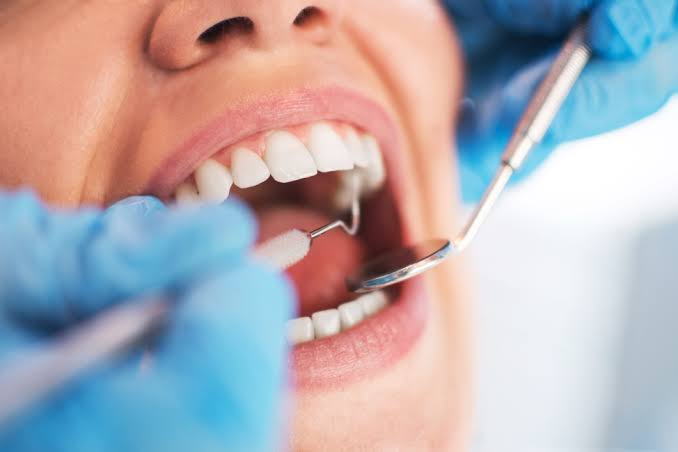
Regular dental check-ups, proper brushing techniques, professional cleaning and timely treatment can help protect natural teeth and maintain healthy gums. Dentists also provide restorative and cosmetic dental procedures to improve oral function, appearance and confidence.
Types of Dentistry & Oral Health Services
1. Preventive Dentistry
Preventive dental care includes routine dental examinations, professional teeth cleaning, fluoride treatments and dental sealants when appropriate. These services help reduce the risk of cavities, plaque buildup and gum disease.
2. Restorative Dentistry
Restorative dentistry focuses on repairing damaged or decayed teeth through dental fillings, crowns, bridges and other suitable treatments. The goal is to restore normal chewing function and protect remaining tooth structure.
3. Cosmetic Dentistry
Cosmetic dental treatments improve the appearance of teeth and smiles. Depending on individual needs, options may include professional teeth whitening, veneers, dental bonding and smile enhancement procedures.
4. Endodontics and Root Canal Treatment
Endodontic treatment addresses problems affecting the dental pulp inside a tooth. Root canal treatment may help save a tooth affected by deep decay, infection or injury rather than removing it.
5. Periodontics and Gum Care
Periodontal care focuses on preventing and treating gum disease. Treatments may include professional scaling, root planing and other procedures depending on the severity of gum inflammation or infection.
6. Orthodontics
Orthodontic treatment corrects misaligned teeth and bite problems using braces, clear aligners or other appropriate appliances. Proper alignment can improve chewing function and make oral hygiene easier.
7. Oral Surgery
Oral surgical procedures may include tooth extraction, wisdom tooth removal, selected dental implant procedures and treatment of certain oral conditions. The recommended procedure depends on the patient’s dental assessment.
8. Paediatric Dentistry
Paediatric dentistry provides dental care for infants, children and adolescents. Services include preventive examinations, cavity treatment, fluoride applications and guidance on healthy oral hygiene habits.
Causes of Common Dental Problems
Dental conditions can develop due to several factors, including:
Poor oral hygiene: Inadequate brushing and flossing allow plaque and bacteria to accumulate.
Frequent sugar consumption: Sugary foods and drinks increase the risk of tooth decay.
Plaque and tartar buildup: Hardened deposits can contribute to gum inflammation and periodontal disease.
Tobacco use: Smoking and chewing tobacco increase the risk of gum disease, tooth loss and oral cancer.
Acidic foods and drinks: Frequent acid exposure can weaken tooth enamel.
Dry mouth: Reduced saliva can increase the risk of cavities and oral discomfort.
Tooth grinding: Grinding or clenching can wear down teeth and cause jaw discomfort.
Dental injuries: Accidents and sports injuries can cause chipped, cracked or displaced teeth.
Medical and genetic factors: Certain health conditions, medications and inherited characteristics may influence oral health.
Symptoms of Dental and Oral Health Problems
Recognising early warning signs can help patients receive timely dental care and avoid complications.
Common symptoms include:
Toothache or sensitivity to hot, cold or sweet foods
Bleeding, swollen or tender gums
Persistent bad breath
Tooth discolouration or visible cavities
Pain while chewing or biting
Loose teeth or receding gums
Mouth ulcers or sores that do not heal
Jaw pain, clicking or difficulty opening the mouth
Facial or gum swelling associated with a dental infection
Seek urgent dental care for severe tooth pain, spreading swelling or signs of infection. Difficulty breathing or swallowing with facial or neck swelling requires emergency medical attention. Any mouth ulcer or patch lasting more than two weeks should be examined by a dentist or qualified healthcare professional.
Prevention of Dental Problems
Good daily oral hygiene and regular professional dental care can help prevent many common dental conditions.
Brush twice daily: Use a soft-bristled toothbrush and fluoride toothpaste.
Clean between teeth: Use dental floss or interdental cleaning aids every day.
Limit sugary foods and drinks: Reduce frequent snacking and choose water instead of sugary beverages.
Maintain a balanced diet: Eat a variety of nutritious foods that support healthy teeth and gums.
Attend regular dental check-ups: Visit a dentist at intervals recommended for your oral health needs.
Avoid tobacco products: Tobacco increases the risk of gum disease and oral cancer.
Protect your teeth: Wear a suitable mouthguard during contact sports.
Address dental problems early: Do not ignore persistent pain, bleeding gums, sensitivity or swelling.
Dentistry & Oral Health Treatment Services
Our dental care services aim to relieve discomfort, restore oral function and support long-term dental health through personalised treatment planning.
Dental Consultation and Examination
A dental examination assesses the teeth, gums, bite and soft tissues of the mouth. Dental X-rays may be recommended when clinically necessary to identify problems that are not visible during a routine examination.
Professional Teeth Cleaning and Scaling
Professional cleaning removes plaque, tartar and surface deposits. Scaling and other periodontal treatments may help manage gum inflammation and improve oral hygiene.
Dental Fillings and Cavity Treatment
Dental fillings restore teeth affected by decay and help protect them from further damage. Treatment depends on the size and location of the cavity.
Root Canal Treatment
Root canal treatment removes infected or inflamed tissue from inside a tooth, cleans the root canal system and seals it. A crown may be recommended to protect the treated tooth.
Tooth Extraction and Wisdom Tooth Removal
Extraction may be necessary when a tooth is severely damaged, infected, impacted or unsuitable for restoration. The dentist evaluates the tooth and discusses appropriate treatment options.
Dental Implants, Crowns and Bridges
Dental implants, crowns and bridges may be used to replace missing teeth or restore damaged teeth. Suitability depends on oral health, bone support and individual treatment requirements.
Gum Disease Treatment
Treatment for gum disease may involve professional cleaning, deep cleaning below the gumline and ongoing periodontal maintenance. Advanced cases may require specialist care.
Cosmetic and Smile Enhancement Dentistry
Depending on individual needs, cosmetic options may include teeth whitening, bonding, veneers and other procedures to improve the appearance of teeth.
Orthodontic Treatment
Braces and clear aligners may help correct crooked teeth, gaps and bite problems. Treatment planning considers age, dental health and the complexity of alignment concerns.
Recovery After Dental Treatment
Recovery depends on the type of dental procedure, the patient’s overall health and the extent of treatment.
After Dental Cleaning
Mild gum tenderness or temporary tooth sensitivity may occur after professional cleaning. Brush gently and follow the dentist’s oral hygiene recommendations.
After Dental Fillings
Some sensitivity to temperature or pressure may occur temporarily. Contact your dentist if pain persists, worsens or your bite feels uneven.
After Root Canal Treatment
Mild tenderness may occur for a few days. Follow the dentist’s instructions, avoid chewing hard foods on a temporarily treated tooth and return for any recommended permanent restoration.
After Tooth Extraction
Follow the dentist’s instructions for protecting the blood clot. Avoid smoking, vigorous rinsing and using straws during the initial recovery period if advised. Contact your dentist for uncontrolled bleeding, fever, increasing swelling or severe worsening pain.
After Dental Implant Surgery
Healing varies depending on the procedure and individual health. Maintain careful oral hygiene, attend follow-up visits and follow instructions about diet, medicines and physical activity.
Long-Term Oral Care
Brush and floss regularly, attend recommended dental reviews and seek treatment for new symptoms. Consistent preventive care helps maintain the results of dental treatment.
Why Choose Professional Dentistry & Oral Health Services?
Comprehensive dental examinations and personalised treatment plans
Preventive care to help reduce the risk of cavities and gum disease
Restorative treatments to protect damaged teeth
Modern diagnostic approaches when clinically appropriate
Dental care for children and adults
Guidance on oral hygiene and long-term dental maintenance
Treatment options focused on comfort, function and healthy smiles