Swarajyam Hospital | Super Multispeciality Hospital

What Is ENT (Ear, Nose & Throat)?
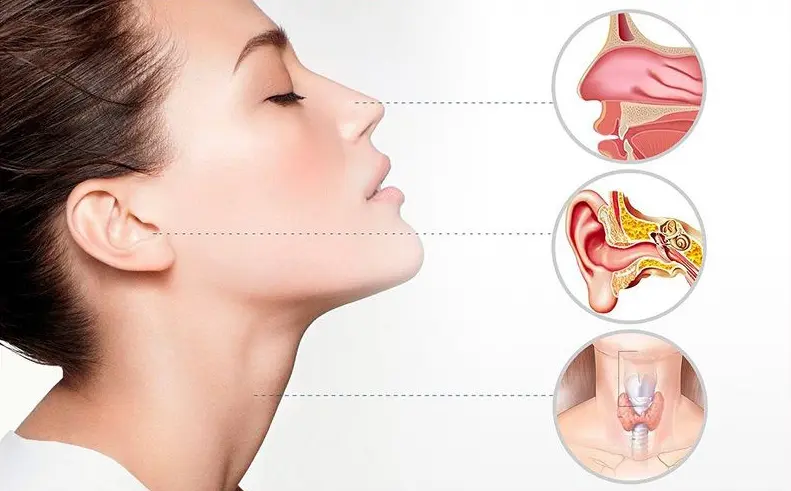
Types of ENT Conditions We Treat
Our ENT services cover a wide range of conditions affecting adults and children.
Ear Conditions: Ear infections, earwax buildup, hearing loss, tinnitus, eardrum problems, and balance disorders.
Nose and Sinus Conditions: Sinusitis, allergic rhinitis, nasal polyps, nasal congestion, deviated nasal septum, and recurrent nosebleeds.
Throat Conditions: Tonsillitis, sore throat, laryngitis, voice disorders, and swallowing difficulties.
Paediatric ENT Conditions: Ear infections, enlarged adenoids, tonsil problems, and hearing concerns in children.
Head and Neck Conditions: Salivary gland disorders, neck lumps, thyroid-related conditions, and selected head and neck tumours.
Sleep-Related ENT Conditions: Snoring, nasal obstruction, and obstructive sleep apnoea.
Moreover, our specialists assess each condition carefully and recommend suitable medical, diagnostic, or surgical options when necessary.
Common Symptoms of ENT Problems
ENT conditions can cause different symptoms depending on the affected area. Therefore, seek an ENT evaluation if you experience persistent or recurring problems such as:
Ear pain, itching, discharge, or blocked ears
Reduced hearing or ringing in the ears
Dizziness, vertigo, or balance difficulties
Nasal congestion, sneezing, or a runny nose
Facial pressure, sinus pain, or reduced sense of smell
Sore throat, painful swallowing, or enlarged tonsils
Persistent hoarseness or voice changes
Frequent nosebleeds or ongoing nasal blockage
Loud snoring or breathing interruptions during sleep
Moreover, early medical assessment can help identify the cause and guide appropriate treatment.
Causes of ENT Conditions
Several factors can contribute to ear, nose, and throat problems. In addition, identifying the underlying cause helps specialists choose the right treatment.
Infections: Viruses, bacteria, and certain fungi can cause ear, sinus, and throat infections.
Allergies: Dust, pollen, mould, and other allergens can trigger sneezing, nasal congestion, and sinus irritation.
Environmental Irritants: Smoke, air pollution, and workplace dust can irritate the nose and throat.
Structural Problems: A deviated septum, enlarged adenoids, or nasal polyps can interfere with normal airflow.
Age-Related Changes: Ageing can affect hearing, balance, and other sensory functions.
Lifestyle Factors: Smoking, tobacco use, and excessive noise exposure can increase the risk of certain ENT problems.
However, symptoms alone cannot confirm a diagnosis, so consult a qualified ENT specialist for an appropriate evaluation.
ENT Diagnostic Procedures
Accurate diagnosis helps specialists develop an effective treatment plan. Moreover, your ENT doctor may recommend the following assessments based on your symptoms:
Physical ENT Examination: The doctor examines the ears, nose, throat, and related structures.
Audiometry and Hearing Tests: These tests assess hearing ability and help identify hearing loss.
Nasal Endoscopy: A thin camera helps the doctor examine the nasal passages and sinus openings.
Laryngoscopy: This examination helps assess the voice box and investigate persistent voice changes.
Imaging Tests: CT scans or MRI scans may help evaluate selected sinus, ear, or head and neck conditions.
Balance Assessments: Appropriate tests help investigate dizziness and vertigo.
Furthermore, your specialist will explain which tests you need and how the results may influence your treatment.
ENT Treatment and Procedures
Our ENT treatment approach focuses on the underlying condition, symptom severity, and individual patient needs. Therefore, the specialist may recommend medication, supportive care, monitoring, or a procedure.
Medical Management: Doctors may recommend suitable medicines for infections, allergies, inflammation, or other diagnosed conditions.
Earwax Removal: A trained healthcare professional can remove impacted earwax using an appropriate technique.
Nasal and Sinus Treatment: Treatment may include saline rinses, prescribed nasal sprays, or sinus surgery for selected cases.
Tonsil and Adenoid Surgery: Specialists may recommend surgery for recurrent infections or significant obstruction.
Eardrum and Middle Ear Procedures: Selected patients may need surgery or ear tubes to address specific ear problems.
Voice and Swallowing Care: Specialists may recommend further assessment, voice therapy, or targeted treatment.
Hearing and Balance Rehabilitation: Appropriate patients may benefit from hearing aids, balance exercises, or specialist rehabilitation.
Moreover, your ENT specialist will explain the potential benefits, risks, and alternatives before recommending an invasive procedure.
Precautions for Better Ear, Nose & Throat Health
Simple precautions can help protect your ears, nose, and throat. In addition, healthy daily habits may reduce exposure to common irritants and prevent avoidable injuries.
Avoid inserting cotton buds, pins, or other objects into your ears.
Protect your hearing from loud music, machinery, and excessive noise.
Avoid smoking and exposure to tobacco smoke.
Maintain good hand hygiene to reduce the spread of respiratory infections.
Follow your doctor’s instructions when using ear drops or nasal sprays.
Avoid taking antibiotics without an appropriate medical prescription.
Manage known allergies with guidance from your healthcare professional.
Attend recommended follow-up appointments for recurring or persistent symptoms.
However, home care cannot replace professional assessment when symptoms persist or worsen.
ENT Recovery and Aftercare
Recovery depends on the specific condition, the treatment you receive, and your overall health. Moreover, many minor ENT problems improve with appropriate care, while recovery after surgery may require additional monitoring and follow-up.
After Medical Treatment: Follow your prescribed treatment plan and monitor your symptoms.
After Ear Procedures: Keep the ear dry if your doctor recommends it and avoid inserting objects into the ear canal.
After Nasal or Sinus Surgery: Follow instructions about nasal care, activity restrictions, and follow-up visits.
After Throat Surgery: Follow the recommended diet, hydration, pain management, and activity guidance.
During Follow-Up: Report persistent pain, bleeding, fever, worsening symptoms, or other unexpected changes.
Therefore, follow your ENT specialist’s instructions carefully to support healing and reduce the risk of complications.