Swarajyam Hospital | Super Multispeciality Hospital

What Is Nephrology & Kidney Care?
Nephrology is a medical speciality that focuses on diagnosing and managing kidney diseases and conditions affecting kidney function. The kidneys filter waste from the blood, balance fluids and electrolytes, and help regulate blood pressure. At Swarajyam Super Speciality Hospital, Nephrology & Kidney Care content helps patients understand kidney health, recognise warning signs and learn about available treatment options. Moreover, timely medical evaluation can help identify kidney problems and support appropriate care.
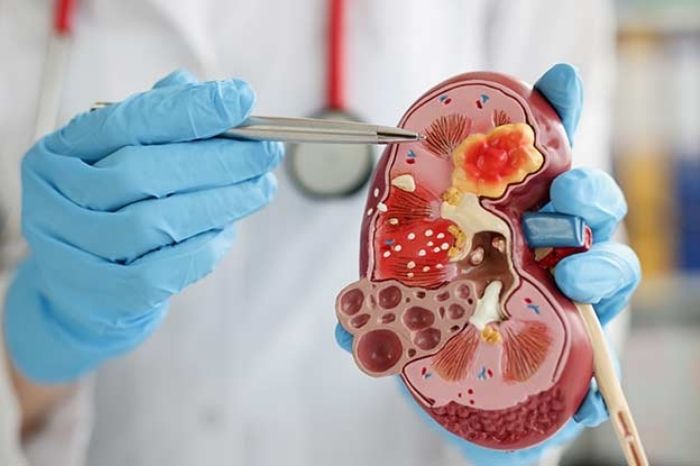
Types of Kidney Diseases
Kidney conditions can affect the body’s ability to remove waste and maintain fluid balance. Common kidney disorders include:
Chronic Kidney Disease (CKD): A long-term condition involving reduced kidney function or kidney damage.
Acute Kidney Injury (AKI): A sudden decline in kidney function that requires prompt medical assessment.
Diabetic Kidney Disease: Kidney damage associated with diabetes.
Hypertensive Kidney Disease: Kidney damage related to persistently high blood pressure.
Glomerulonephritis: Inflammation affecting the kidney’s filtering units.
Polycystic Kidney Disease: An inherited condition that causes fluid-filled cysts to develop in the kidneys.
Electrolyte Disorders: Imbalances in minerals such as sodium and potassium that can affect body functions.
Nephrotic Syndrome: A condition involving significant protein loss through urine, often with swelling.
Kidney Failure: Severe loss of kidney function that may require specialised treatment, including dialysis or transplantation assessment.
Causes of Kidney Diseases
Kidney problems can develop due to medical conditions, infections, inherited disorders or certain medications. Common causes and risk factors include:
Diabetes and uncontrolled blood sugar levels.
High blood pressure.
Family history of kidney disease.
Autoimmune diseases affecting the kidneys.
Recurrent or severe kidney infections.
Urinary tract obstruction.
Severe dehydration or significant blood loss.
Certain medicines that can damage the kidneys, especially when misused.
Inherited conditions affecting kidney structure or function.
Furthermore, kidney disease may progress without obvious symptoms during its early stages. Therefore, people with diabetes, hypertension or a family history of kidney disease may benefit from regular kidney function assessments.
Common Symptoms of Kidney Disease
Kidney disease does not always cause noticeable symptoms in its early stages. However, as kidney function changes, patients may experience:
Swelling in the feet, ankles, hands or face.
Changes in urination frequency or urine output.
Foamy urine, which may indicate excess protein.
Blood in the urine.
Persistent tiredness or weakness.
Nausea, vomiting or reduced appetite.
High blood pressure.
Muscle cramps or itching.
Shortness of breath due to fluid accumulation or other complications.
However, these symptoms can occur with other medical conditions as well. A healthcare professional can recommend suitable tests to identify the underlying cause.
Nephrology & Kidney Care Treatment Services
Kidney treatment depends on the underlying disease, its severity and the patient’s overall health. Appropriate care may help preserve kidney function, manage complications and improve quality of life.
1. Chronic Kidney Disease Management
Chronic kidney disease requires regular monitoring of kidney function and associated health conditions. Treatment may include blood pressure management, diabetes control, dietary guidance and prescribed medication to help slow disease progression when possible.
2. Acute Kidney Injury Management
Acute kidney injury involves a sudden decline in kidney function. Doctors investigate potential causes, such as dehydration, infection, medication effects or obstruction, and provide treatment based on the patient’s condition.
3. Diabetic Kidney Disease Care
Diabetes can damage the kidneys over time. Therefore, appropriate blood sugar control, blood pressure management and regular urine and blood tests are important for identifying and managing diabetic kidney disease.
4. Hypertension and Kidney Health
High blood pressure can damage the kidneys, while kidney disease can also raise blood pressure. Treatment focuses on managing blood pressure and monitoring kidney function to reduce the risk of further complications.
5. Electrolyte and Fluid Balance Management
Kidney disorders can affect sodium, potassium and fluid levels in the body. Medical assessment helps identify imbalances and determine appropriate treatment, including dietary changes or medication when necessary.
6. Kidney Infection and Inflammation Assessment
Certain infections and inflammatory conditions can affect kidney function. Doctors may recommend urine tests, blood tests and other investigations to determine the cause and guide suitable treatment.
7. Advanced Kidney Disease and Dialysis Assessment
Patients with advanced kidney disease may require evaluation for kidney replacement therapy. Depending on the patient’s condition, treatment options may include haemodialysis, peritoneal dialysis or assessment for kidney transplantation.
Kidney Diagnostic Tests and Procedures
Nephrologists use different tests to evaluate kidney function and identify possible kidney damage. These may include:
Blood Creatinine Test: Measures creatinine levels to help assess kidney function.
Estimated Glomerular Filtration Rate (eGFR): Estimates how effectively the kidneys filter waste from the blood.
Urine Albumin Test: Checks for albumin in the urine, which can indicate kidney damage.
Urine Examination: Helps detect blood, protein and other abnormalities.
Kidney Ultrasound: Examines kidney size, structure and possible obstruction.
Electrolyte Tests: Measure minerals such as sodium and potassium.
Kidney Biopsy: In selected cases, a small kidney tissue sample helps identify the cause of kidney disease.
Dialysis Assessment: Determines whether dialysis may be necessary for severe kidney dysfunction.
Not every patient needs every test. The nephrologist selects investigations according to symptoms, medical history and clinical findings.
Precautions for Maintaining Kidney Health
Healthy habits can help protect kidney function and reduce certain risk factors. Patients can support kidney health by following these precautions:
Monitor blood pressure and blood sugar regularly.
Drink appropriate amounts of water according to medical advice.
Reduce excess salt intake and maintain a balanced diet.
Avoid unnecessary use of painkillers and other medicines that may harm the kidneys.
Maintain a healthy weight and engage in suitable physical activity.
Avoid smoking and limit alcohol consumption.
Attend recommended kidney function screenings if you have risk factors.
Take prescribed medicines as directed.
Seek medical advice for persistent swelling, changes in urination or blood in the urine.
Moreover, patients with advanced kidney disease may need individualised fluid, potassium, phosphorus or protein recommendations. Do not make major dietary changes without consulting a healthcare professional.
Recovery and Follow-Up After Kidney Treatment
Recovery depends on the type of kidney condition, its severity and the treatment received. Some patients with acute kidney problems may improve when the underlying cause receives timely treatment, while chronic kidney disease often requires long-term monitoring.
Medication Adherence: Take prescribed medicines according to the treatment plan.
Dietary Guidance: Follow recommendations tailored to your kidney function and nutritional needs.
Fluid Management: Follow your clinician’s advice about fluid intake.
Regular Testing: Attend recommended blood and urine tests to monitor kidney function.
Blood Pressure and Diabetes Control: Maintain regular monitoring to reduce further kidney damage.
Follow-Up Consultations: Review symptoms, test results and treatment progress with your healthcare team.
Additionally, patients receiving dialysis need a treatment schedule and follow-up plan based on their individual requirements. Contact the treating team promptly if symptoms worsen or new concerns develop.