Swarajyam Hospital | Super Multispeciality Hospital

What Is Obstetrics & Gynaecology?
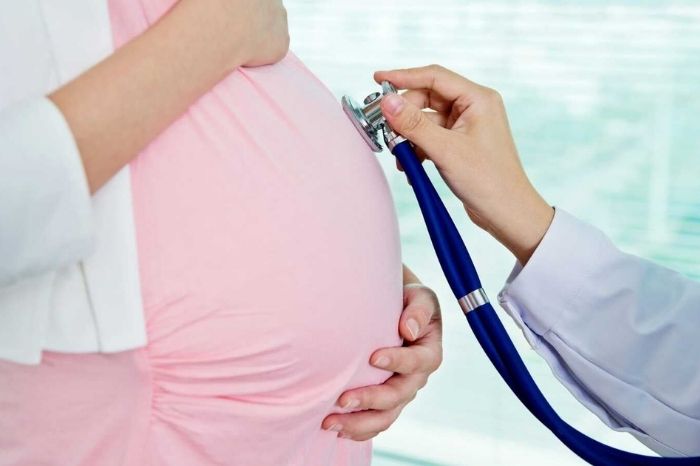
Types of Obstetrics & Gynaecology Care
Obstetrics and gynaecology cover several areas of women’s healthcare. Depending on individual needs, a specialist may recommend:
Obstetric Care: Pregnancy monitoring, antenatal check-ups and childbirth care.
Gynaecological Care: Diagnosis and management of conditions affecting the uterus, ovaries and reproductive organs.
High-Risk Pregnancy Care: Close monitoring of pregnancies involving specific medical or obstetric risks.
Menstrual Health Management: Assessment of irregular periods, heavy bleeding and menstrual pain.
Fertility Evaluation: Investigations for women experiencing difficulty conceiving.
Menopause Care: Guidance for managing symptoms associated with hormonal changes.
Preventive Women’s Healthcare: Routine examinations and appropriate screening based on age and risk factors.
Common Causes of Gynaecological Problems
Gynaecological conditions can develop due to hormonal changes, infections, structural abnormalities or other medical factors. Common causes include:
Hormonal imbalances affecting menstrual cycles.
Polycystic ovary syndrome (PCOS).
Uterine fibroids and ovarian cysts.
Reproductive tract infections.
Endometriosis and other causes of pelvic pain.
Age-related reproductive and menopausal changes.
Lifestyle factors that may influence hormonal and reproductive health.
Furthermore, pregnancy-related complications may arise due to existing medical conditions, placental problems or other pregnancy-specific factors. A medical assessment helps determine the underlying cause and appropriate care.
Symptoms of Gynaecological Conditions
Women may experience different symptoms depending on their condition. Recognising these symptoms can help them seek timely medical advice.
Irregular, unusually heavy or painful periods.
Persistent pelvic or lower abdominal pain.
Unusual vaginal discharge, itching or irritation.
Pain during sexual intercourse.
Difficulty conceiving.
Hot flashes, night sweats or other menopausal symptoms.
Unusual bleeding between periods or after menopause.
During pregnancy, vaginal bleeding, fluid leakage, severe abdominal pain or reduced fetal movements after regular movements have been established require prompt medical assessment. Heavy bleeding, fainting or severe pain may require emergency care.
Obstetrics & Gynaecology Services and Procedures
Swarajyam Super Speciality Hospital can present the following services where they are available and provided by its qualified medical team.
1. Antenatal Care and Pregnancy Monitoring
Regular antenatal consultations help monitor maternal health and the baby’s development. Depending on the pregnancy, care may include blood pressure monitoring, recommended blood tests, ultrasound examinations and nutritional guidance.
2. Normal Delivery and Childbirth Care
Vaginal delivery may be appropriate when maternal and fetal conditions support this approach. The obstetric team monitors labour and provides care according to the mother’s and baby’s needs.
3. Caesarean Section (C-Section)
A caesarean section is a surgical procedure used to deliver a baby through incisions in the abdomen and uterus. Doctors may recommend it when vaginal delivery presents specific risks or when complications make surgical delivery necessary.
4. High-Risk Pregnancy Management
High-risk pregnancy care involves closer monitoring when conditions such as gestational diabetes, high blood pressure, multiple pregnancy or certain previous pregnancy complications increase the need for specialised care.
5. Menstrual Disorder Treatment
A gynaecologist evaluates irregular periods, heavy bleeding and severe menstrual pain. Depending on the cause, treatment may involve medication, hormonal therapy or further diagnostic procedures.
6. PCOS and Hormonal Disorder Management
PCOS and other hormonal conditions may affect menstrual regularity, skin health and fertility. Management may include lifestyle guidance, medication and individualised follow-up.
7. Uterine Fibroid and Ovarian Cyst Evaluation
Ultrasound and other investigations can help assess fibroids and ovarian cysts. Treatment depends on their size, symptoms, appearance and the patient’s reproductive plans.
8. Gynaecological Diagnostic Procedures
Depending on symptoms, doctors may recommend pelvic ultrasound, cervical screening, colposcopy, hysteroscopy or other investigations. These procedures help assess specific reproductive health concerns and guide further treatment.
9. Fertility and Reproductive Health Consultation
Fertility consultations help identify possible factors affecting conception and determine whether further investigations or specialist treatment may be appropriate.
10. Menopause and Preventive Women’s Healthcare
Consultations can help women manage menopausal symptoms, understand bone health and discuss age-appropriate cervical and breast health screening.
Precautions for Women's Reproductive Health
Preventive healthcare can support reproductive wellbeing and help identify certain conditions early. Women can take the following steps:
Attend regular gynaecological check-ups as recommended.
Follow the advised pregnancy appointment and screening schedule.
Maintain a balanced diet, regular physical activity and a healthy lifestyle.
Practise safe sex and seek medical advice about possible reproductive tract infections.
Avoid self-medicating with hormonal medicines or antibiotics.
Discuss menstrual irregularities and persistent pelvic pain with a qualified doctor.
Follow recommended cervical screening and vaccination guidance.
During pregnancy, take medicines and supplements only as advised by the healthcare professional.
Additionally, women should seek prompt medical care for unusual bleeding, severe pelvic pain or possible pregnancy complications.
Recovery After Obstetric and Gynaecological Procedures
Rest, adequate nutrition, hydration and appropriate perineal care support recovery. New mothers should seek medical advice for fever, heavy bleeding, worsening pain or foul-smelling discharge.
Recovery After Caesarean Section
Recovery generally involves wound care, pain management and gradually increasing movement as advised. Patients should avoid strenuous activities and heavy lifting until their doctor confirms that these activities are safe.
Recovery After Gynaecological Surgery
Recovery varies according to the procedure, including hysteroscopy, laparoscopy or other surgery. Patients should follow specific instructions about wound care, activity, bathing, medication and follow-up.
Recovery After Medical Treatment
Patients receiving treatment for menstrual disorders, PCOS or other hormonal conditions may need regular reviews to assess symptom control. Furthermore, treatment adjustments may be necessary depending on the response and individual health goals.
Seek urgent medical attention for severe pain, heavy bleeding, breathing difficulty, fainting or other serious or rapidly worsening symptoms.
When Should You Consult a Gynaecologist?
Consult a qualified gynaecologist if you experience persistent menstrual irregularities, pelvic pain, unusual vaginal discharge, fertility concerns or menopausal symptoms that affect everyday life. Similarly, early pregnancy consultations help establish an appropriate antenatal care plan.
Women who experience severe abdominal pain, heavy vaginal bleeding or pregnancy-related warning signs should seek prompt medical assessment rather than waiting for a routine appointment.